Bringing Your Yard Back to Life: Essential Lawn Care Strategies for Post-Winter Recovery
Florence, United States – March 18, 2026 / ILD Innovative Landscape Design /
As winter fades and temperatures begin to rise, many homeowners notice their lawns looking dull, patchy, or lifeless. This is completely normal. During the colder months, most turfgrass enters a dormant stage to conserve energy and survive freezing conditions. While the grass may appear brown and inactive, the root system beneath the soil is still alive and waiting for the right conditions to grow again.
Spring is the perfect time to bring your lawn back to life. With the right lawn maintenance practices and a thoughtful approach to landscape design, you can restore your yard into a lush, green space that enhances the beauty and value of your property. Whether you handle the work yourself or rely on an experienced landscaper, these essential spring lawn care tips will help your lawn recover quickly after winter dormancy.
Start With a Thorough Spring Clean-Up
The first step in reviving your lawn is removing the debris that accumulated over winter. Leaves, branches, and dead grass often build up under snow or frost, preventing sunlight and air from reaching the soil.
Gently raking the lawn helps remove this debris while loosening matted grass. This process improves air circulation and prepares the turf for healthy growth. It also prevents issues like thatch buildup and mold, which can develop when organic material traps moisture on the lawn.
While cleaning up your lawn, take time to inspect the yard for damaged areas, compacted soil, or signs of disease. Early detection allows you to address problems before the growing season begins.
Aerate the Soil to Improve Root Health
Winter conditions and foot traffic often compact soil, making it difficult for grass roots to access water, oxygen, and nutrients. Soil compaction is one of the most common reasons lawns struggle to recover in spring.
Aeration solves this problem by creating small holes in the soil that allow air, water, and nutrients to reach the root zone. This process encourages stronger root systems and healthier turf overall.
A professional landscaper may use core aerators to remove plugs of soil, which improves drainage and promotes deeper root growth. Aeration is particularly important if your lawn sees heavy use or has clay-based soil.
Repair Bare or Damaged Patches
Cold temperatures, snow mold, and winter stress often leave behind thin or bare patches in the lawn. These areas should be addressed early in the spring before weeds have the chance to take over.
Overseeding is one of the most effective solutions. By spreading grass seed over thinning areas, you encourage new growth that blends with the existing turf. Overseeding helps create a denser lawn, which improves durability and overall appearance.
For larger damaged areas, installing sod may provide a quicker solution. An experienced landscaper can recommend the best grass variety for your climate and soil conditions.
Begin a Smart Fertilization Program
After months of dormancy, your lawn needs nutrients to restart growth. Applying a balanced fertilizer in early spring provides the nitrogen, phosphorus, and potassium that turfgrass needs to develop strong roots and vibrant blades.
However, timing is important. Fertilizing too early—while the ground is still cold—can be ineffective or even harmful. Experts generally recommend waiting until after the final frost and when the lawn begins actively growing.
A well-planned fertilization schedule can strengthen your lawn throughout the season and reduce the likelihood of weeds or disease.
Adjust Your Spring Mowing Practices
Mowing might seem simple, but the way you cut your lawn in spring can significantly affect its health.
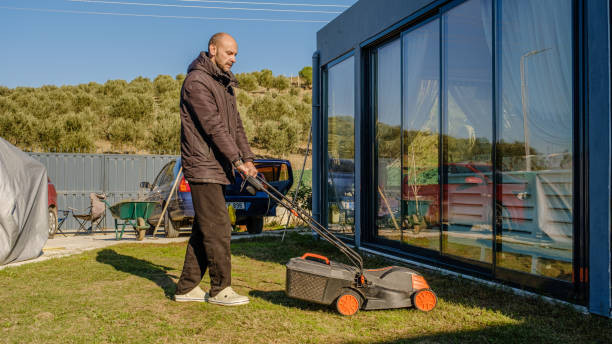
Begin mowing once the grass shows consistent growth. Set your mower blades high for the first few cuts to avoid stressing the grass as it recovers from dormancy. Cutting too short—known as scalping—can weaken the turf and make it more vulnerable to weeds.
Another important rule is the “one-third rule.” Never remove more than one-third of the grass blade in a single mowing session. This practice helps maintain healthy leaf growth and protects the root system.
Keeping mower blades sharp is also essential, as dull blades tear grass instead of cutting it cleanly.
Establish a Proper Watering Schedule
Watering is another critical element of spring lawn maintenance. Once your grass begins actively growing, it will require consistent moisture to support root development.
Experts recommend watering deeply but less frequently, rather than applying small amounts daily. Most lawns thrive with about one inch of water per week, including rainfall.
Morning watering—typically between 6 a.m. and 10 a.m.—is ideal because it allows moisture to soak into the soil before evaporation occurs and reduces the risk of fungal disease.
Proper irrigation supports healthier roots and improves your lawn’s resistance to heat and drought later in the year.
Control Weeds Early
Spring is also the season when many weeds begin to emerge. If left unchecked, they can quickly compete with grass for nutrients, sunlight, and water.
Applying a pre-emergent herbicide can prevent many common weeds from germinating. These treatments are typically applied when soil temperatures reach around 55°F, which often occurs in early to mid-spring depending on the region.
Maintaining thick, healthy turf through proper lawn maintenance is also one of the best natural ways to prevent weed growth.
Enhance Your Landscape Design for Long-Term Health
While lawn care is important, your yard should also function as a complete outdoor environment. Strategic landscape design can improve both aesthetics and lawn health.
For example, planting trees and shrubs can provide shade that reduces heat stress on grass during summer. Installing pathways can prevent heavy foot traffic from damaging the lawn. Proper drainage features can also prevent waterlogging and soil erosion.
Working with a professional landscaper ensures that your lawn, plants, and outdoor features complement one another while supporting healthy growth throughout the year.
Consider Professional Lawn Maintenance
Maintaining a beautiful lawn requires time, expertise, and consistent care. Many homeowners choose to work with professional lawn maintenance services to ensure their landscapes receive the attention they need.
Professional landscapers can provide services such as:
-
Aeration and overseeding
-
Fertilization programs
-
Weed and pest control
-
Irrigation management
-
Seasonal landscape design improvements
With expert support, your lawn can recover more quickly from winter dormancy and remain healthy throughout the growing season.
Frequently Asked Questions
When should I start spring lawn maintenance?
Most lawn care tasks should begin once the soil has thawed and the grass starts actively growing. This typically occurs when daytime temperatures consistently reach around 60°F.
How often should I water my lawn in spring?
Most lawns require about one inch of water per week, including rainfall. Deep, infrequent watering is better than daily light watering because it encourages stronger root growth.
Should I fertilize my lawn right after winter?
It’s best to wait until the grass begins actively growing and the risk of frost has passed. Applying fertilizer too early can be ineffective.
Is spring a good time for overseeding?
Yes. Spring overseeding helps fill in bare spots caused by winter damage and creates a thicker lawn that resists weeds and disease.
When should I hire a professional landscaper?
If your lawn has severe damage, drainage issues, or requires significant landscape design improvements, hiring a professional landscaper can save time and deliver better results.
Bring Your Lawn Back to Life This Spring
A vibrant, healthy lawn doesn’t happen overnight. However, with the right combination of lawn maintenance, smart watering, fertilization, and thoughtful landscape design, your yard can quickly recover from winter dormancy.
By taking action early in the season—or partnering with a skilled landscaper—you can transform your outdoor space into a thriving landscape that looks beautiful all spring and summer long.

Contact Information:
ILD Innovative Landscape Design
2027 Rosedale St.
Florence, SC 29501
United States
Scott Brokaw
(843) 230-1036
http://www.ildsc.com/


Original Source: https://ildsc.com/media-room/#/media-room


