
Key Takeaways
- James Hardie fiber-cement siding is made from cement, sand, and fiber, making it more resistant to water and wind damage than wood or vinyl siding
- The material is non-combustible and fire resistant, though the painted finish on top still needs its own care over time
- Upkeep is fairly simple: washing every 6 to 12 months and repainting on roughly a 10 to 15 year cycle keeps the siding performing well
- Correct installation details, including flashing, clearances, and sealed joints, make a bigger difference in long-term performance than most homeowners expect
- Siding replacement carries a high upfront cost but can add value to a home, especially when paired with an experienced installer
Replacing old siding is one of the biggest exterior decisions a homeowner makes, and St. Louis weather does not make the choice any easier. Hot, humid summers followed by freezing, icy winters put constant stress on a home’s exterior, which is why so many homeowners in the area are turning to fiber-cement siding instead of traditional wood or vinyl. Banner Construction works with James Hardie siding, and homeowners often ask why this material holds up so well when installed correctly. Understanding what makes Hardie board different, where it can fall short, and how to keep it looking sharp for decades helps homeowners make a confident, informed choice.
Why Hardie Siding Outlasts Wood And Vinyl
Wood siding looks warm and classic, but it demands constant attention, explains the expert team at Banner Construction. It swells, warps, and decays after repeated exposure to moisture, and it typically needs staining or sealing on a regular basis just to keep its appearance and structural integrity intact. Vinyl siding skips the staining but brings its own weaknesses, cracking in cold temperatures and softening or warping under strong heat and wind.
Fiber-cement siding sits in a different category. Because it is built from cement, sand, and fiber rather than organic wood fibers or plastic, it resists the swelling, warping, and rotting that plague wood over time. It also stands up to wind and water better than either wood or vinyl, which matters in a region that sees everything from summer storms to winter ice. When installed correctly and washed a couple of times a year, fiber-cement siding can last anywhere from 30 to 50 years or more, a lifespan few other siding materials can match.
What Makes Hardie Board Different
A Cement-Based Material, Molded For Style
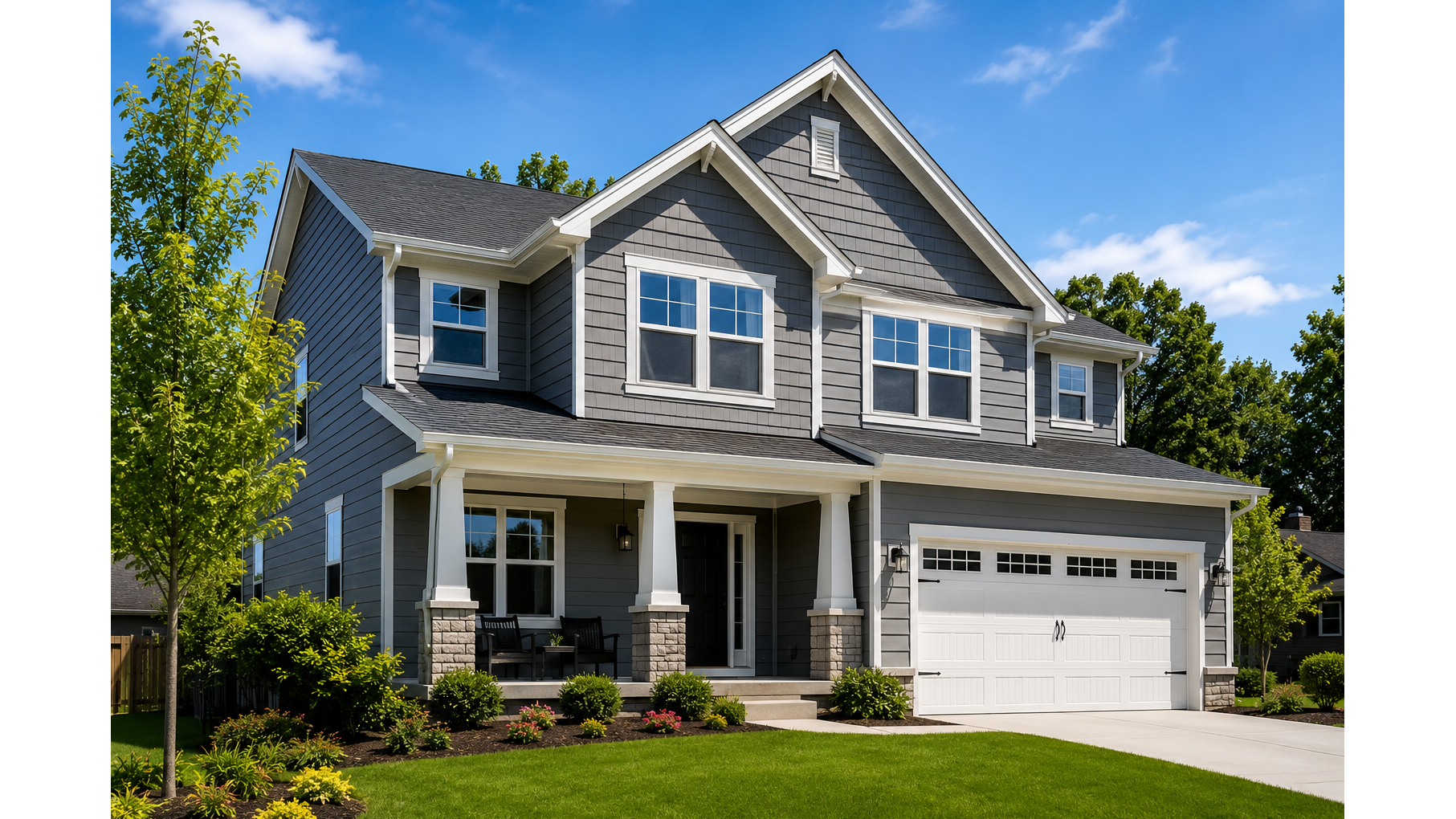
Hardie board starts as a blend of cement, sand, and fiber, which is then molded and cured into planks, panels, and shingles. This manufacturing process is what gives the material its durability, but it also opens the door to a wide range of looks. The boards can be shaped and textured to resemble natural wood grain, stucco, or even brick, giving homeowners design flexibility without sacrificing the strength of a cement-based product. For a St. Louis neighborhood full of different architectural styles, from craftsman bungalows to modern builds, that flexibility means siding can be matched to a home’s character rather than forcing a compromise.
Non-Combustible And Fire Resistant
Because Hardie board is made largely of cement and sand, it is classified as non-combustible and offers fire resistance that wood and vinyl cannot match. This quality has made it a popular choice even around fireplaces and in wildfire-prone regions, where the material can slow the spread of flames or buy residents extra time in an emergency. This fire resistance applies to the cement-based substrate itself; the paint or finish applied on top is a separate layer and does not carry the same fireproof rating. Keeping that finish in good condition is part of what keeps the whole system performing as intended.
Durability That Depends On The Details
Fiber-cement siding earns its reputation for toughness, but that reputation only holds up when the material is installed and maintained with care. Moisture resistance at the surface level does not mean the material can skip water management altogether. Joints, cut edges, and penetrations around windows and doors are the places where trouble tends to start, since these spots expose the inner material if they are not properly sealed.
Keeping Water Away From Joints And Edges
Every cut made to a piece of Hardie board during installation creates a raw edge, and that edge needs to be sealed before the board goes up. Skipping this step, or installing boards while they are still wet, can let moisture seep in over time and slowly undermine the siding’s performance. Caulk at butt joints, around windows, and along trim pieces also plays a quiet but important role. When that caulk cracks or develops gaps, it creates a path for water to travel behind the siding, which is why periodic inspection of these areas matters just as much as the installation itself.
Flashing, Clearances, And Other Installation Pitfalls
Proper flashing and clearances are where many siding jobs succeed or fail. A roof-to-wall kickout flashing, for example, redirects roof runoff away from the siding; without one, water can travel behind the boards and cause damage that is not visible until it has already spread. Installation guidelines also call for specific clearances, generally about 6 inches above finished grade and about 2 inches above roofs, decks, and walkways, so the siding never sits directly in standing water or touches the ground.
A handful of installation mistakes show up again and again on fiber-cement projects:
- Overdriven nails that crack the board or leave it loosely fastened
- Incorrect fasteners that do not match the manufacturer’s specifications
- Unsealed cut edges left exposed to moisture
- Boards installed while still wet
- Primed boards left unpainted for too long, allowing the primer layer to break down
Each of these issues can be avoided with careful, experienced work, which is a big part of why the installation process deserves as much attention as the material itself.
Keeping Hardie Siding Looking New
Fiber-cement siding does not demand the kind of routine staining or sealing that wood requires. Even so, a little bit of regular attention goes a long way toward protecting the investment and keeping the exterior looking sharp.
Washing And Inspecting Every 6 To 12 Months
A simple wash with a garden hose, a soft brush, and mild soap every 6 to 12 months keeps dirt and grime from building up on the surface. While washing, it is worth taking a few extra minutes to look for cracks, broken joints, or signs of mildew. Checking the caulk around joints, windows, and trim during this same inspection helps catch small gaps before they turn into a bigger moisture problem.
Repainting On A 10 To 15 Year Cycle
Site-applied paint finishes on fiber-cement siding typically need to be renewed roughly every 10 to 15 years, somewhat less often than the upkeep wood siding usually requires. Before repainting, the surface should be washed and given time to dry completely so the new coat adheres properly. It is also worth asking how a particular product’s finish was applied in the first place, since factory-applied finishes tend to last longer than paint applied on the jobsite, which can affect how soon a homeowner needs to plan for that next repaint.
Why The Installer You Choose Matters
Given how much the long-term performance of fiber-cement siding depends on sealed edges, correct flashing, proper clearances, and careful fastening, the installer behind the project plays a central role in how well the siding holds up. Two homes with the exact same siding product can have very different experiences over the following decades based purely on how the installation was handled. An installer who understands the nuances of flashing details, joint sealing, and manufacturer clearances will typically deliver a result that performs closer to the material’s full potential, while a rushed or inexperienced job can shorten that lifespan considerably regardless of how good the product itself is.
Weighing The Investment Against Added Value
Fiber-cement siding carries a higher upfront cost compared to wood or vinyl, and that reality is worth planning for ahead of time. At the same time, siding replacement is widely recognized as a project that can add value to a home, and fiber-cement’s long lifespan and reduced maintenance needs make it a strong contender when weighing that return over time. Homeowners comparing their options might consider the tradeoffs this way: wood siding costs less upfront but demands ongoing staining, sealing, and repair as it ages. Vinyl siding is budget-friendly but can crack in cold weather and fade under strong sun. Fiber-cement siding asks for a bigger initial investment but pays that back through durability, fire resistance, and a paint cycle measured in over a decade rather than every few years.
A High-Investment Siding That Pays Off With Proper Care
James Hardie siding offers St. Louis homeowners a combination of durability, fire resistance, and style flexibility that is hard to find in wood or vinyl alternatives. That performance, though, is never automatic. It depends on sealed joints, correct flashing, proper clearances, and a maintenance routine that includes regular washing and timely repainting. Choosing an experienced installer, such as Banner Construction, and staying on top of simple inspections twice a year are the two habits that do the most to protect the investment over the following decades. For homeowners ready to consider their options, learning more about James Hardie siding installation is a reasonable next step toward a longer-lasting, lower-maintenance exterior.
Banner Construction
1177 N Price Rd, St. Louis, MO, 63132
St. Louis
Missouri
63132
United States