

Chengdu City, Sichuan Province, China- November 25, 2026
Choosing an Ev Charger Fast setup isn’t just picking hardware off a shelf—it’s a real business call. You gotta think about how long folks leave their cars plugged in, whether you’ll get a rush of vehicles all at once, and honestly, whether your site’s power can even handle the load. A charger that says 150 kW might not actually deliver that when a bunch of cars are pulling juice at the same time. That’s a big deal, trust me.Here’s the thing about Ev Charging speed: as Daniel Mercer, an infrastructure consultant, puts it, ‘A charger is only fast when the site can support it.’ That’s a solid reality check—don’t just assume every charger will give you the same speed. Before you even start comparing prices, dig into a few things: does the utility have enough capacity? How many sessions do you expect per day? What connector types are available? What about payment options and network reliability—does it drop out often? Also, think about the physical setup: are the cables long enough to reach your car, and can people park without blocking others? These little details can turn into big headaches if you ignore them.Don’t just focus on installation, you know? Dig a bit deeper with your suppliers – ask about those sneaky software fees, how fast they actually respond to service calls, what the warranty really covers, and if remote diagnostics are an option. And when you’re crunching numbers, base them on realistic usage, not just worst-case peak demand, because honestly, no spreadsheet can capture every single queue. That’s something worth keeping in mind. A busy lunch hour will look totally different from overnight fleet charging, and those early traffic forecasts? They’re often way off, so be ready to tweak them as reality kicks in.Okay, so here’s the thing – we need to talk about comparing chargers: their output, whether your site is ready, what they cost to run, and the support you’ll get. And don’t forget about the future – because if you have to replace equipment earlier than planned, that’s gonna hurt your wallet. Ultimately, you want something that’s a solid fit for your business, your drivers, and the way things actually work on the ground. So, start by figuring out what you actually need, and then go pick the hardware.
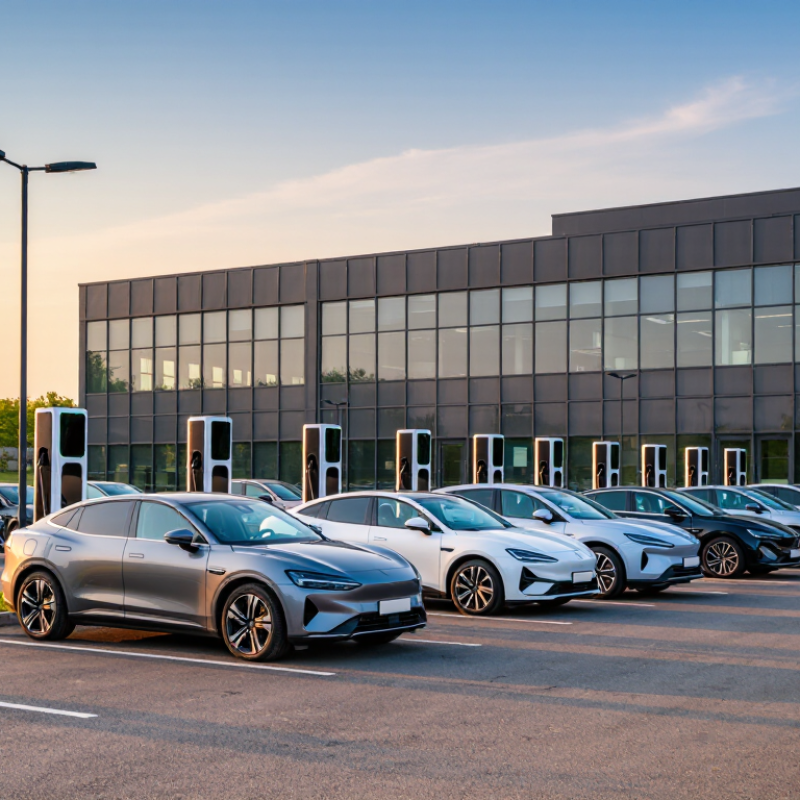
Define Your Business’s Charging Needs and Customer Profile
Before choosing a Fast Ev Charger, map who will use it and when. Record vehicle types, typical arrival times, and average parking duration for at least a few representative weeks. A retail customer who stays for twenty minutes has different needs from an employee parked for eight hours. Peak hours matter. Note whether demand comes in short bursts or remains steady throughout the day.Ask drivers what they expect: a quick top-up, dependable workplace charging, or a convenient stop during a longer trip. Then compare those expectations with your site’s actual dwell time and electrical capacity. A charger’s advertised maximum output may sound ideal, but vehicles do not always accept power at that rate. Not just speed. Consider how many vehicles may charge at once, whether power can be shared, and whether clear pricing or simple access will reduce confusion. These details affect the experience as much as the equipment.It is easy to overestimate future demand after hearing a few enthusiastic customers. Check usage patterns again before committing to a large installation. A smaller initial setup may reveal which hours are busiest and which drivers return. Still, avoid planning only for today: seasonal traffic, staff growth, or nearby development can change the customer mix. Your charging plan should fit real routines, not just a hopeful forecast.
Assess Site Capacity, Parking Layout, and Traffic Patterns
Assess the site’s electrical capacity before choosing a Fast Ev Charger. Ask a qualified electrician to review the available service, panel space, and likely load from other equipment. A busy kitchen or workshop can change the calculation. Small details matter.
Then study the parking layout at different times of day. Measure the distance from proposed chargers to parked vehicles, and check whether cables could cross walkways or loading areas. If drivers reverse into spaces, charger placement may need to differ from a simple row layout. An Ev Home Fast Charger may suit a small workplace, but its charging speed and electrical needs should match the site. Check the specifications, not just the label.
Traffic patterns matter as much as parking capacity. Record when vehicles arrive, how long they stay, and whether several cars tend to leave together. A charger occupied all afternoon may be a poor fit for short visits. Leave room for accessible routes and snow or maintenance equipment, where relevant. Real traffic is messy; one week of observation may still miss seasonal peaks. Recheck assumptions before installation.
Compare Charger Types, Power Ratings, and Connector Standards
For a business site, compare Ac Charging with DC fast charging before choosing equipment. AC Level 2 can suit employee parking or longer customer visits. DC fast chargers are designed for quicker stops; the U.S. Department of Energy’s Alternative Fuels Data Center classifies equipment rated at 50 kW or more as DC fast charging. Match power to dwell time, not the biggest number on a brochure. A 150 kW unit may be more practical than a 350 kW unit where vehicles stay longer or the electrical service is limited.
Power has real site costs. Higher-rated chargers can require costly electrical upgrades, and vehicles do not all accept power at the same rate. The International Energy Agency’s Global EV Outlook 2024 reports that public fast-charging points grew by 55% in 2023. That signals expanding infrastructure, not a guarantee of demand at your address. Check traffic patterns, utility capacity, and how many vehicles may charge at once. A quiet Tuesday afternoon is worth measuring, too.
Connector compatibility matters as much as output. CCS1 is common in North America, while CCS2 is widely used in Europe; CHAdeMO remains in some vehicle fleets. SAE J3400 is another connector standard to consider when planning future coverage. Confirm the vehicles used by local customers and fleet partners, then verify charger compatibility and payment access before installation. I would avoid choosing connectors from a forecast alone. Real local vehicle data can be messy. Start there.
Check Grid Capacity, Utility Requirements, and Installation Options
A fast charger can look simple on a site plan and still overwhelm an undersized electrical service. Before choosing equipment, ask a licensed electrical professional to review peak load, transformer capacity, panel space, and the utility’s available service. A 150-kW charger is not a small add-on. Utility studies, service upgrades, and demand charges can change the project budget.The National Renewable Energy Laboratory’s 2023 report, The 2030 National Charging Network, estimates that the United States may need about 182,000 public DC fast-charging ports by 2030. That scale makes local grid planning important. Ask the utility about its interconnection process, required load data, construction costs, and schedule; requirements vary by location. Consider staged installation, shared power cabinets, or managed charging if the site cannot support every charger at full output. Small details matter. A conduit route beside a parking island can affect both cost and future access.Installation choices should match how vehicles use the site. Fleet vehicles parked overnight may need a different setup from customer vehicles stopping briefly. Compare direct utility service upgrades with on-site energy storage, but verify lifecycle costs rather than assuming storage saves money. Even a search for a Home Ev Fast Charger can surface equipment unlike commercial DC fast chargers, so check power ratings carefully. I would recheck the load assumptions before signing; early estimates can miss seasonal building demand.
Evaluate Costs, Payment Systems, and Revenue Models
A fast charger’s purchase price is only the visible part of the investment. Budget for electrical upgrades, trenching, permits, network fees, payment processing, maintenance, and demand charges. A utility estimate can change the business case dramatically. Get a site-specific load assessment before comparing equipment quotes. The IEA’s Global EV Outlook 2024 reports that public charging points grew by more than 40% in 2023, while fast chargers grew by 55%. That signals a growing market, not guaranteed traffic. Small details matter.
Compare payment options against the customers you expect: walk-up drivers may value contactless card payment, while fleets may prefer consolidated billing. Ask providers about transaction fees, roaming costs, settlement timing, and what happens when connectivity fails. Then model revenue per kilowatt-hour or session, fleet agreements, and retail spending during charging stops. Use cautious utilization assumptions and test quiet weekdays, not just busy weekends. My first forecast is usually too optimistic. The U.S. Department of Energy’s Alternative Fuels Data Center lists equipment and installation costs separately, a useful reminder to compare full project costs rather than charger prices alone. Check the figures against local contractor and utility quotes; published ranges can miss site-specific expenses.
Select a Charger Based on Reliability, Software, and Future Growth
A charger’s rated power matters, but dependable sessions matter more. J.D. Power’s 2024 U.S. Electric Vehicle Experience Public Charging Study found that 19% of public charging visits ended without a successful charge. For a business, each failed session can mean a waiting driver, a support call, and lost confidence. Ask vendors for measured uptime, fault response times, and clear service arrangements—not just a headline specification. Small details matter. Check whether staff can see live charger status and session errors without standing beside the unit.
Software should make daily operations easier. Look for remote diagnostics, simple payment flows, and reports that show energy use and peak demand. Test the interface on a phone, in bright sunlight, and with a weak signal. A polished dashboard is not proof of reliable hardware. I would want to see real service records before trusting one.
Plan for growth, too. The International Energy Agency’s Global EV Outlook 2024 reports more than four million public charging points worldwide in 2023, roughly 40% more than in 2022. That expansion makes flexible capacity and interoperable software practical considerations. A 7.2 Kw Ac Fast Charger may fit workplaces where vehicles stay parked for hours; higher-power equipment may suit shorter visits. Check available electrical capacity, then ask whether added chargers can share power intelligently. Forecasts are imperfect. Leave room to revise the plan.
IEA Global EV Outlook 2024: 14 Million EV Sales Put the 10kW Portable EV Charger in Focus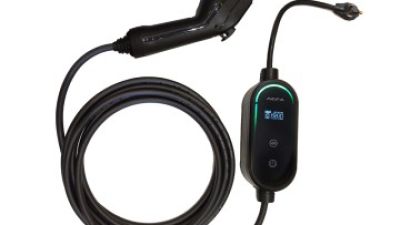
10kW Portable EV Charger
The IEA’s Global EV Outlook 2024 highlights the scale of the shift to electric mobility: around 14 million electric cars were sold worldwide in 2023. As more drivers make the transition, convenient charging becomes part of everyday planning—not just a consideration for long journeys. A 10 kW portable EV charger offers a flexible option for adding charge at locations where a compatible power supply is available.Beyond road trips, a portable charger can fit into daily routines at home, at the office, or while visiting shopping destinations. Drivers can choose a practical place to recharge, whether they are parked overnight, working through the day, or spending time running errands. Its portability also makes it easier to bring charging equipment along when plans change.Charging speed and suitability depend on the vehicle, the power source, and the charger’s specifications, so drivers should check compatibility before use. With the right setup, a portable 10 kW charger can complement other charging options and help make EV ownership more adaptable as electric-car sales continue to grow.
Conclusion
Choosing the right fast EV charger starts with understanding who will use it and how they will charge. Consider whether your customers need quick top-ups or longer charging sessions, then assess your site’s parking layout, vehicle flow, and expected demand. Compare charger types, power levels, and connector standards to find an option that suits the vehicles and service experience you expect to support.Before making a decision, review your site’s electrical capacity, utility requirements, and installation possibilities. Compare equipment and operating costs, payment options, and potential revenue models. Reliability, straightforward management software, and room to expand also matter. An Ev Charger Fast solution that fits your current needs while allowing for future growth can help your business offer convenient charging without overbuilding or creating avoidable operational challenges.
About US
Chengdu AEFA Electronic Technology Co., Ltd. was established in 2015 and is headquartered in Chengdu, Sichuan Province, the science and technology innovation center of southwest China and the hometown of pandas. As a high-tech enterprise specializing in the research, development, production and sales of electric vehicle charging equipment, we have a modern industrial park covering an area of 22 acres and equipped with 15,000 square meters of standard factory buildings, committed to providing high-quality charging solutions for global customers.
Media Contact
Company Name: Chengdu AEFA Electronic Technology Co., Ltd.
Contact Person: Media Relations
Email: Send Email
Country: China
Website: https://www.aefa-evse.com/
Press Release Distributed by ABNewswire.com
To view the original version on ABNewswire visit: Businesses Explore Key Factors When Selecting the Right Fast EV Charger