Bowing Basement Walls: A Serious Foundation Warning
Canton, United States – March 16, 2026 / ARK Basement Services /
Few structural problems are as alarming as seeing your basement wall begin to curve inward. At first, the change may be subtle. A wall that once looked straight might now appear slightly bulged, or a horizontal crack may start forming across the middle.
These are often early signs of bowed basement walls, a condition that should never be ignored.
Bowing walls indicate that outside pressure is pushing against the foundation. Over time, that pressure can weaken the structure and lead to significant damage if not addressed properly. The good news is that when the issue is identified early, professional repair solutions can stabilize the wall and protect the home.
What Causes Basement Walls to Bow Inward
Bowed walls do not appear randomly. They usually develop after years of gradual pressure from surrounding soil and water.
Several factors commonly contribute to this problem.

Hydrostatic Pressure from Saturated Soil
When soil around your home becomes saturated after heavy rain or snowmelt, groundwater builds up in the surrounding area. This creates hydrostatic pressure, which pushes against basement walls from the outside.
Concrete is strong, but it is not designed to resist constant lateral pressure. Over time, the wall begins to move inward.
Expansive Soil Conditions
Some soil types expand significantly when they absorb water. Clay-heavy soil is a common example. When this soil swells, it increases pressure against the foundation.
Repeated expansion and contraction cycles can gradually weaken foundation walls.
Poor Exterior Drainage
Water that collects around the foundation increases the pressure against basement walls. Drainage problems often develop when:
-
Gutters overflow
-
Downspouts discharge too close to the home
-
Soil grading directs water toward the house
-
Exterior drain systems fail or clog
Without proper drainage, soil remains saturated longer and pressure continues to build.
Freeze and Thaw Cycles
In colder climates, water trapped in the soil can freeze and expand. As the ground thaws and freezes repeatedly, the soil shifts and pushes against the foundation walls.
Over many seasons, this movement can contribute to structural stress.
Early Warning Signs Homeowners Should Watch For
Bowing walls rarely happen overnight. Most homes show warning signs long before the issue becomes severe.
Common signs include:
-
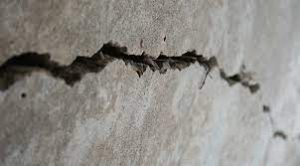
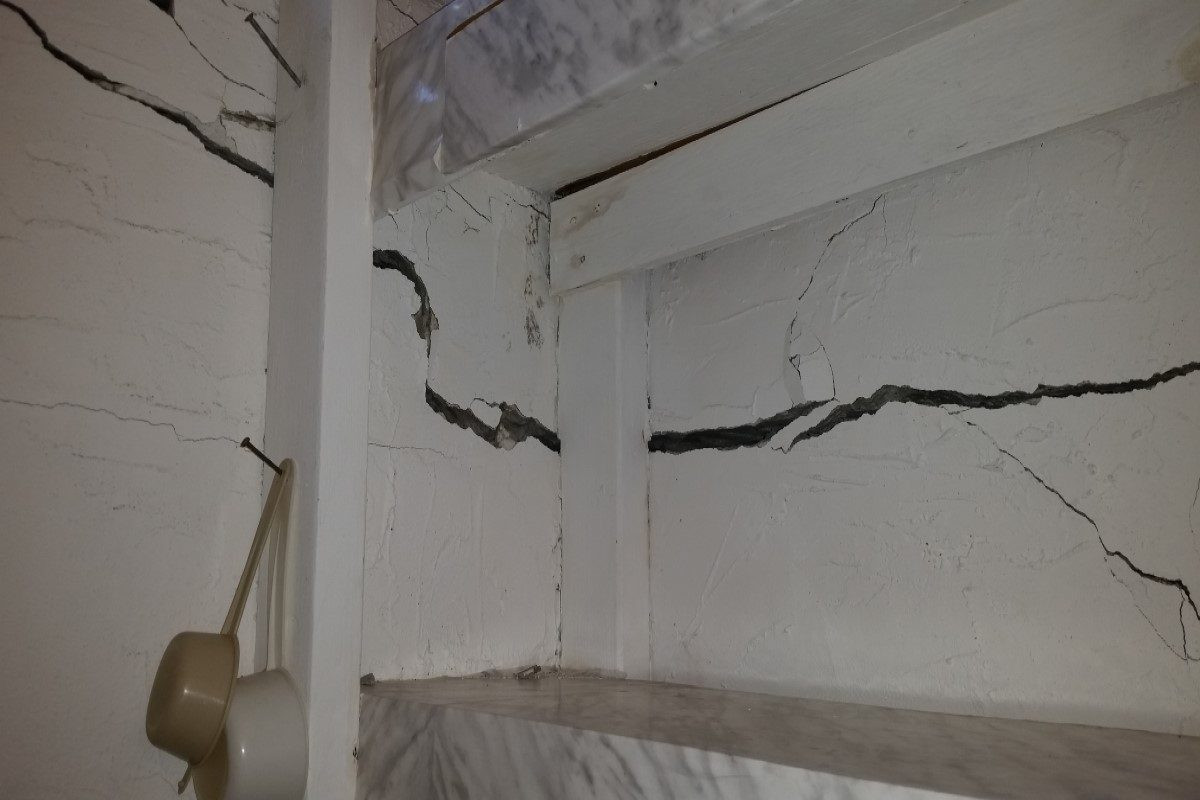
Horizontal cracks running across basement walls
-
Walls that appear curved or leaning inward
-
Small gaps between the wall and ceiling framing
-
Cracks that widen over time
-
Doors or windows becoming harder to open
Even small changes in wall shape should be taken seriously.
Horizontal cracks, in particular, often indicate structural pressure and should be evaluated by a professional.
The Structural Risks of Ignoring Bowed Walls
When basement walls begin to bow, the structural integrity of the foundation is gradually compromised.
As the wall continues to move inward, several problems may develop.
Increased Cracking
Existing cracks can widen as pressure continues to build. This allows moisture to enter the basement and contributes to additional deterioration.
Foundation Instability
If the wall movement continues unchecked, the foundation may lose its ability to support the weight of the structure above it.
Water Intrusion
Cracks created by wall movement allow groundwater to enter the basement. This leads to moisture problems, mold growth, and interior damage.
Higher Repair Costs Over Time
The earlier foundation issues are addressed, the easier they are to repair. Severe bowing may eventually require extensive structural work if left untreated.
Professional Solutions That Stabilize Bowed Foundation Walls
Fortunately, modern foundation repair techniques can stabilize bowed basement walls effectively.
The right solution depends on the severity of the movement and the condition of the wall.
Carbon Fiber Reinforcement
Carbon fiber straps are one of the least invasive repair options. These strong materials are bonded to the wall to prevent further movement.
They add structural strength while maintaining a low profile along the wall surface.
Wall Anchor Systems
Wall anchors extend from the interior wall through the surrounding soil to a stable anchor plate outside. These systems counteract soil pressure and can gradually straighten bowed walls.
Steel Beam Stabilization
Steel beams can be installed vertically along basement walls to reinforce areas experiencing moderate movement. This approach helps prevent additional bowing.
Drainage and Waterproofing Improvements
Reducing hydrostatic pressure is often part of the repair strategy. Improvements to drainage systems and waterproofing can reduce the forces pushing against the foundation.
A professional inspection determines which combination of solutions is most effective.
Why DIY Repairs Are Not Recommended
Foundation issues require structural expertise. Temporary patching, surface sealants, or cosmetic fixes may hide cracks without addressing the underlying pressure.
Without proper reinforcement and drainage improvements, the wall will continue to move.
Professional repairs focus on stabilizing the structure and preventing future movement, not just covering up visible damage.
How Early Repairs Protect Your Home’s Value
Your foundation supports the entire structure of your home. When buyers or inspectors see bowing walls, it immediately raises concerns.
Addressing the problem professionally provides reassurance that the issue has been handled correctly. This protects both structural stability and long-term property value.
Early repair also helps prevent additional damage to floors, walls, and framing throughout the home.
FAQs About Bowed Basement Walls
Are bowed basement walls dangerous?
They can become dangerous if left untreated. Bowing indicates structural pressure that may worsen over time.
Can bowed walls be straightened?
In many cases, repair systems like wall anchors can gradually move walls back toward their original position.
What causes horizontal cracks in basement walls?
Horizontal cracks are usually caused by soil pressure pushing inward against the foundation.
Is this a common problem?
Yes. Many homes experience foundation pressure due to soil movement, drainage issues, or groundwater buildup.
Final Thoughts
Bowed basement walls are one of the clearest warning signs that your foundation is under stress. While the problem may develop slowly, ignoring it can lead to serious structural damage.
Understanding what causes wall bowing and addressing it early helps protect your home’s stability and long-term value.
If you notice signs of wall movement in your basement, a professional evaluation can determine the cause and recommend a solution that restores strength and safety to your foundation.
Contact Information:
ARK Basement Services
4326 Avondale St NW
Canton, OH 44708
United States
Mike Perry
(866) 939-2837
https://www.arkbasementservices.com/
