Is a 2% Yard Slope Enough? How Proper Grading Protects Your Home’s Foundation
Mountainside, United States – March 16, 2026 / All County Waterproofing /
You’ve heard it before, a 2 percent grading slope is the gold standard for preventing foundation water damage, but is that always enough? While this rule of thumb serves as a useful guideline, it’s not a one-size-fits-all solution. The ideal slope can vary based on your property’s specifics, regional rainfall patterns, and even the type of soil found in your area. It’s a complex issue that warrants a deeper look. So let’s start the conversation – is the 2 percent slope universally applicable or are there times when you might need more?
Key Takeaways
- The ideal grading slope should fall at least 6 inches over the first 10 feet from the house.
- A standard slope percentage of 2 percent is typically effective for water drainage.
- Adjustments in grading slope may be necessary based on property location and rainfall patterns.
- Accurate slope determination is crucial for effective drainage and preventing foundation water damage.
- The type of soil can affect drainage, with a balance between sandy and clay soil typically providing effective drainage.
Understanding Foundation Water Damage
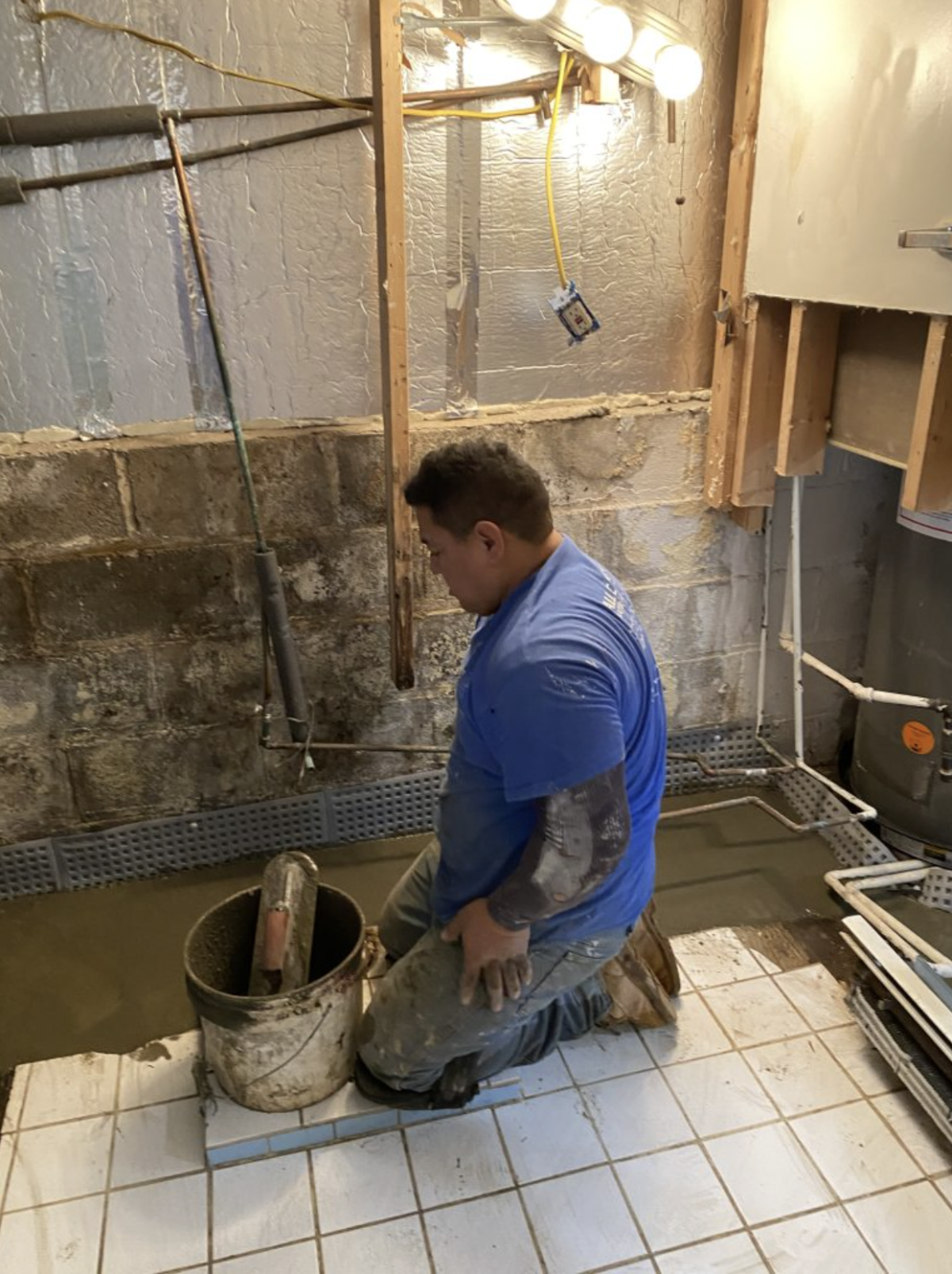
Every year, countless homeowners face the intimidating task of dealing with foundation water damage. It’s a serious issue that, if neglected, can lead to devastating consequences.
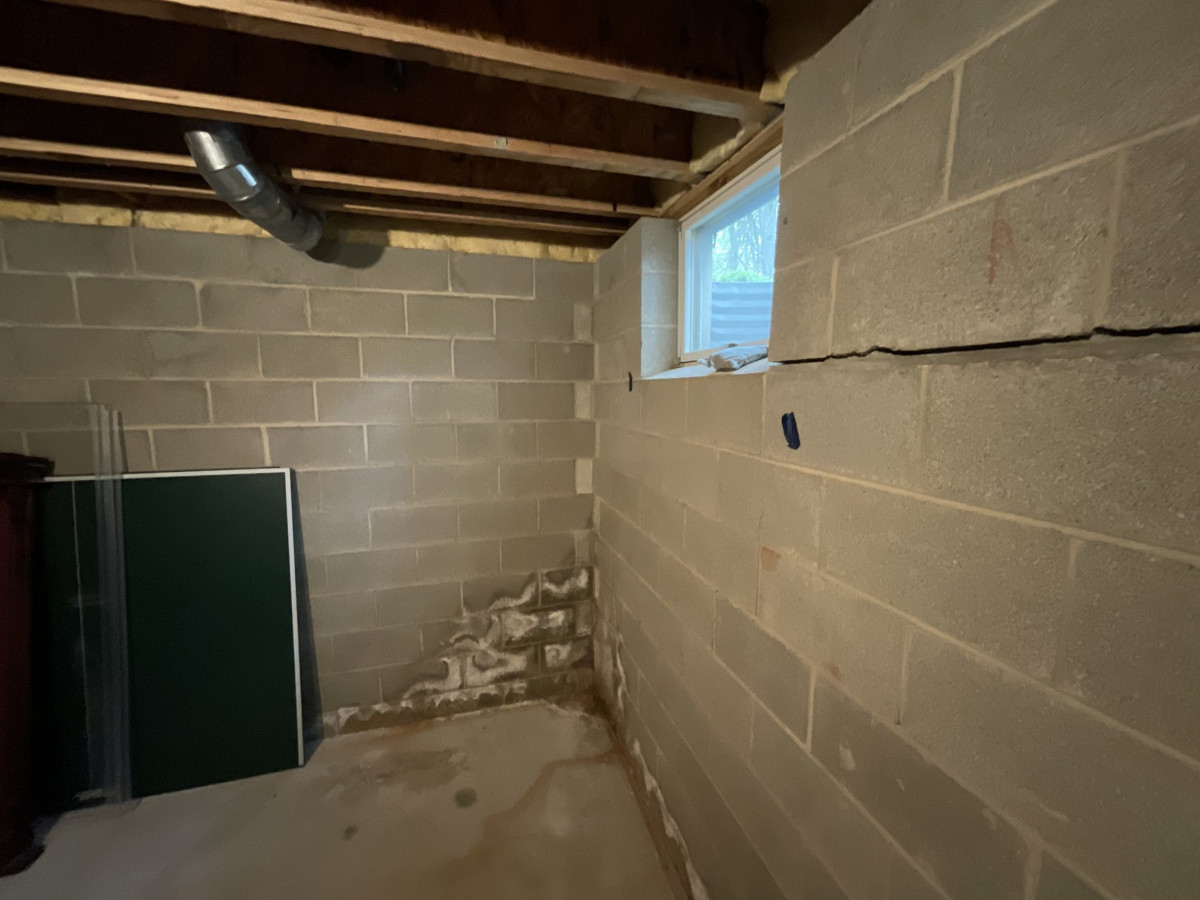
You might be wondering, what exactly is foundation water damage? Well, it’s when water seeps into your home’s foundation, causing cracks, weakening the structure, and eventually leading to a collapse.
But how does water get into your foundation in the first place? There are several ways. Rainwater can pool around your home if your yard doesn’t have proper drainage. Underground water sources may also seep into your foundation. Broken pipes, gutter issues, and poor waterproofing can all contribute to the problem as well.
Now you’re aware of the problem, but what about the solution? It’s simple: prevent water from reaching your foundation. Sounds easy, right? Unfortunately, it’s not as simple as it seems.
It requires careful planning, proper tools and materials, and sometimes the help of professionals. But don’t worry, we’ll get into that in later sections. For now, just remember, foundation water damage is a big issue, but it’s one you can tackle with the right information and resources.
Role of Grading Slope
You might be wondering, what’s the role of grading slope in preventing foundation water damage?
Let’s get straight into it. It’s an essential element that, if done correctly, can effectively divert water away from your house, saving you from potential damage and costly repairs.
Understanding Grading Slope
Imagine rainwater pooling around your home’s foundation, creeping its way into every nook and cranny. Unpleasant, isn’t it? This is where understanding grading slope comes into play. It’s a vital component of your home’s landscaping design that helps control where that water goes.
A grading slope is fundamentally a slight angle in your yard that helps direct water away from your home’s foundation. Think of it as a gentle hill, with your house at the top. The water naturally moves downhill, away from your home, instead of pooling around the foundation.
| Grading Slope Benefits | Consequences of Neglecting Grading Slope |
|---|---|
| Prevents water pooling | Leads to foundation water damage |
| Protects home’s structural integrity | Causes potential mold growth |
| Reduces risk of basement flooding | Increased repair costs |
| Enhances overall yard drainage | Devalues property |
Getting your grading slope right is vital. It’s not about creating a steep hill; it’s about striking a balance. Too steep, and you’ll have erosion issues. Too flat, and you won’t effectively move water away. It’s about finding that sweet spot that protects your foundation and keeps your home safe.
Preventing Foundation Damage
Without the right grading slope, your house stands at risk of significant foundation damage.
You’re probably wondering, how does this happen? It’s simple. When water collects around the base of your house, it seeps into the foundation, causing cracks and damage over time.
So, what can you do to prevent this? The answer lies in the grading slope. A proper grading slope directs water away from your home, reducing the chance of water damage. Generally, it’s recommended that the land slopes at least six inches over the first 10 feet away from your house. This gradient guarantees that rainwater naturally flows away from the foundation.
But the work doesn’t stop there. Regular maintenance is key. Make sure to inspect your grading slope periodically, especially after heavy rains or significant landscaping changes.
You can do this by observing how water flows during a storm. If you notice pooling near your house, it’s time to reevaluate your slope.
Determining Your Property’s Slope
To prevent water damage, it’s crucial to accurately determine your property’s slope. You’re probably wondering how to go about this. Well, it’s not as complicated as you might think.
First, you’ll need a line level, a string, and two wooden stakes. Place one stake at the highest point of your property and the other at the lowest. Attach the string to both stakes, making sure it’s level. The line level will help you verify the string is perfectly horizontal.
Next, measure the length of the string. This is the distance from the highest to the lowest point, also known as the ‘run’. Then, measure the vertical distance from the string to the ground at the lower stake. This is the ‘rise’.
Now, do a simple calculation: divide the rise by the run and multiply by 100. The result is your property’s slope percentage. It tells you how much your property descends for every hundred feet you move horizontally.
Ideal Grading Slope Standards
Once you’ve determined your property’s slope, it’s vital to know the ideal grading slope standards. The rule of thumb is that the ground should fall a minimum of 6 inches over the first 10 feet away from your house. This equates to a “2 percent” slope, which is the generally accepted standard to guarantee proper water flow away from your foundation.
But why 2 percent? It’s a balance. Too steep of a slope can lead to erosion and even damage to your foundation. Too shallow, water doesn’t drain effectively and can pool, causing damage. A 2 percent slope guarantees that water moves away from your foundation at a rate that prevents pooling without causing erosion.
It’s important, however, to adapt to your property’s unique conditions. If your home is at the bottom of a hill or in a high-rainfall area, you may need to increase the slope slightly. Conversely, if you’re in a drought-prone area or your property is naturally flat, a less severe slope might be sufficient.
How Slope Influences Water Flow
You’ve got the ideal grading slope down, but how does slope influence water flow?
It’s not just about the angle, it’s about understanding the impact of slope on your property.
Let’s explore how to optimize your slope for proper drainage and prevent water damage to your foundation.
Understanding Slope Impact
Often, the slope of your property is overlooked, yet it plays an essential role in how water flows around your home.
It’s more than just a shape or a gradient; it’s a significant factor in water management.
When it rains, water doesn’t just sit on the surface. It moves, and the slope of your land determines its direction. A steeper slope will direct water away from your home faster, reducing the chance of water seeping into your foundation. Conversely, a flat or negative slope might lead water toward your home, increasing the risk of foundation water damage.
Understanding the impact of slope on water flow can help you make informed decisions about your landscaping and water management strategies.
To get a better grip, remember these key points:
- Steeper slopes lead water away from your home faster.
- Flat or negatively sloped areas can direct water towards your home.
- The slope of your land isn’t set in stone; it can be changed with grading.
Don’t underestimate the importance of slope. It’s not just your home’s first line of defense against water damage; it’s your most effective one.
Optimizing Slope for Drainage
If you’re looking to dodge foundation water damage, redirecting your home’s rainfall is key, and that’s where enhancing your property’s slope comes into play. You see, the slope of your land isn’t just there for looks; it’s a functional part of your home’s drainage system. The right angle can help water flow away from your home, preventing it from pooling around your foundation and causing damage.
To improve your slope for drainage, you’ll need to aim for a gradient of about 5 to 10 percent. This means that for every 10 feet away from your house, the ground should drop about 6 to 12 inches. This slope is enough to carry water away without causing erosion.
Remember, it’s not just about the slope. The type of soil also matters. Sandy soil drains well but can erode easily, while clay soil is less prone to erosion but doesn’t drain as quickly. Consequently, consider a balance between the two for effective drainage.
You can also incorporate landscaping features like swales or drains to help manage water flow.
Grading Techniques for Optimal Slope
Properly grading your landscape plays an essential role in preventing water damage to your home’s foundation. The goal is to create a gentle slope that directs water away from your home. Here’s how you can achieve this.
First, determine the high and low points of your land. You can use a line level or laser level for this. This helps you understand the current water flow and where alterations are needed.
Next, you’ll need to dig. Remove the top layer of soil from the high points and relocate it to the lower areas. The aim is to create a slope that moves water away from your foundation.
However, remember that the grading process can affect the aesthetics of your landscape. So, consider these points:
- Integrate the slope into your landscape design. You can create flower beds or rock gardens on the slope.
- Preserve existing vegetation where possible. It helps prevent soil erosion.
- Consider hiring a professional if the task seems too challenging. Grading requires skill and experience to do correctly.
The Cost of Neglecting Proper Grading
Ignoring the importance of proper grading might seem like an easy way to save time and effort, but in the long run, it can lead to costly repairs. When you neglect to grade your landscape correctly, water doesn’t flow away from your home’s foundation as it should. Instead, it pools around it, seeping into any cracks or weaknesses and causing damage that’s not only expensive to fix, but can also greatly compromise the structural integrity of your home.
If you’re thinking you’ll save a few bucks by skipping the grading, think again. Repairing water damage isn’t cheap. You’re looking at thousands, sometimes even tens of thousands of dollars, depending on the extent of the damage.
Plus, there’s the potential for mold growth, which brings its own set of health risks and remediation costs. The cost isn’t just financial, either. Dealing with foundation repairs can be stressful and disruptive to your daily life.
Real-life Cases of Slope Grading
In the world of home ownership, there are countless real-life examples illustrating the importance of slope grading. You may have heard horror stories about flooded basements and expensive repairs due to poor grading or maybe you’ve experienced it firsthand.
Consider a case in Seattle where a homeowner was faced with consistent basement flooding. The culprit? An improperly graded lawn that directed rainwater straight to their foundation. After regrading their property and adding a small retaining wall, the problem was solved.
In another instance, a homeowner in Minnesota noticed cracks in their foundation walls. Upon inspection, it was clear the ground sloped towards the house, causing water to pool and freeze in winter, which led to the cracks. A simple regrading job was all it took to fix the issue.
Finally, think about a case in Florida where a home’s landscape was so poorly graded that it caused water to seep into the home during heavy rains. After considerable damage, the homeowners realized the importance of proper grading and made necessary changes.
- In Seattle, a homeowner resolved continuous basement flooding by regrading their property and adding a retaining wall.
- A Minnesota homeowner discovered that regrading could prevent water from pooling and freezing, which had caused cracks in their foundation.
- In Florida, a family learned the hard way how vital proper grading is when their home suffered considerable water damage.
Grading Slope Maintenance Tips
Maintaining the integrity of your home’s grading slope may seem like an intimidating task, but it’s simpler than you might think. It’s all about regular inspection and prompt action.
Firstly, walk around your property after a heavy rain. If you see puddles forming close to your house, it’s an indication that the slope isn’t draining properly. You should also check for cracks in your home’s foundation. These are signs that water is seeping in, causing possible damage.
Next, consider the type of soil in your yard. Clay soils don’t absorb water well, so if that’s what you’ve got, you may need to improve your grading. You can do this by adding topsoil to the existing slope, creating a more effective barrier against water.
Lastly, remember to keep the area near your foundation clear. Overhanging branches, leaves, and debris can block water from flowing away. Trim any problematic foliage and clean out your gutters regularly.
So, you’ve got it, right? A 2% grading slope is your ticket to a dry, damage-free foundation. But remember, this isn’t a one-size-fits-all solution. You must adjust according to your property’s conditions and local rainfall patterns. Neglecting proper grading can cost you big time, so take it seriously. And, don’t forget about maintenance. Keep your eyes open and stay proactive to avoid costly water issues down the line.
Contact Information:
All County Waterproofing
1429 Us Highway 22
Mountainside, NJ 07092
United States
Robert Praizner
(908) 688-0518
https://allcountywaterproofing.com/


