Why Your Baltimore Basement Walls Are Bowing
Pikesville, United States – March 16, 2026 / Guardian Basement Waterproofing /
For many homeowners in the Baltimore area, a basement is more than just storage—it is the literal foundation of their home’s safety. However, when you begin to notice a slight curve in your foundation walls or a long horizontal crack stretching across the mortar joints, it isn’t just an aesthetic flaw. It is a sign that the ground around your home is winning a physical tug-of-war.
At Guardian Basement Waterproofing, we believe that understanding the “why” behind foundation failure is the first step toward a permanent solution. The culprit is almost always hydrostatic pressure, a powerful force of nature that can compromise even the sturdiest concrete structures.
What is Hydrostatic Pressure?
In the simplest terms, hydrostatic pressure is the pressure exerted by a fluid at rest due to the force of gravity. When it comes to your home, this fluid is the water trapped in the soil surrounding your foundation. As the soil becomes saturated, the weight of the water creates an immense outward force.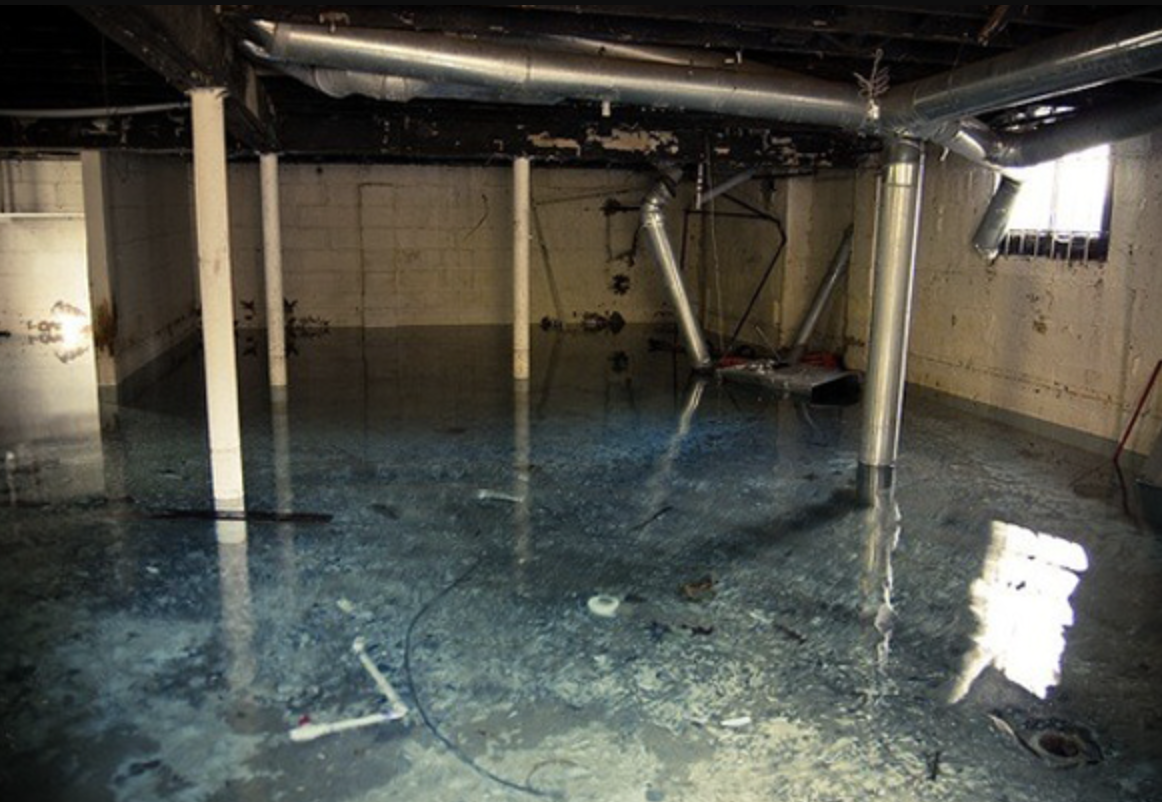
The Role of Maryland’s Expansive Clay Soil
Baltimore and its surrounding counties, including Anne Arundel and Howard, are known for having high concentrations of “expansive” clay soil. Unlike sandy soil, which allows water to drain through quickly, clay acts like a dense sponge. It absorbs water, expands significantly in volume, and holds onto that moisture for long periods. This expansion pushes directly against your basement walls, creating a relentless cycle of pressure and relief every time it rains.
How Saturated Soil Becomes a Physical Force
When the soil can no longer hold any more water, the excess moisture creates a “water table” around your foundation. This exerts hydrostatic pressure against the walls and upward pressure against the floor. Because concrete is porous and rigid, it cannot flex to accommodate this weight. Eventually, the pressure exceeds the structural strength of the wall, causing it to bow inward or crack.
Visible Warning Signs in Your Foundation
Ignoring the early signs of foundation stress can lead to catastrophic failure. Homeowners should regularly inspect their basements for specific indicators of hydrostatic pressure damage.
Horizontal vs. Vertical Cracks: What’s the Difference?
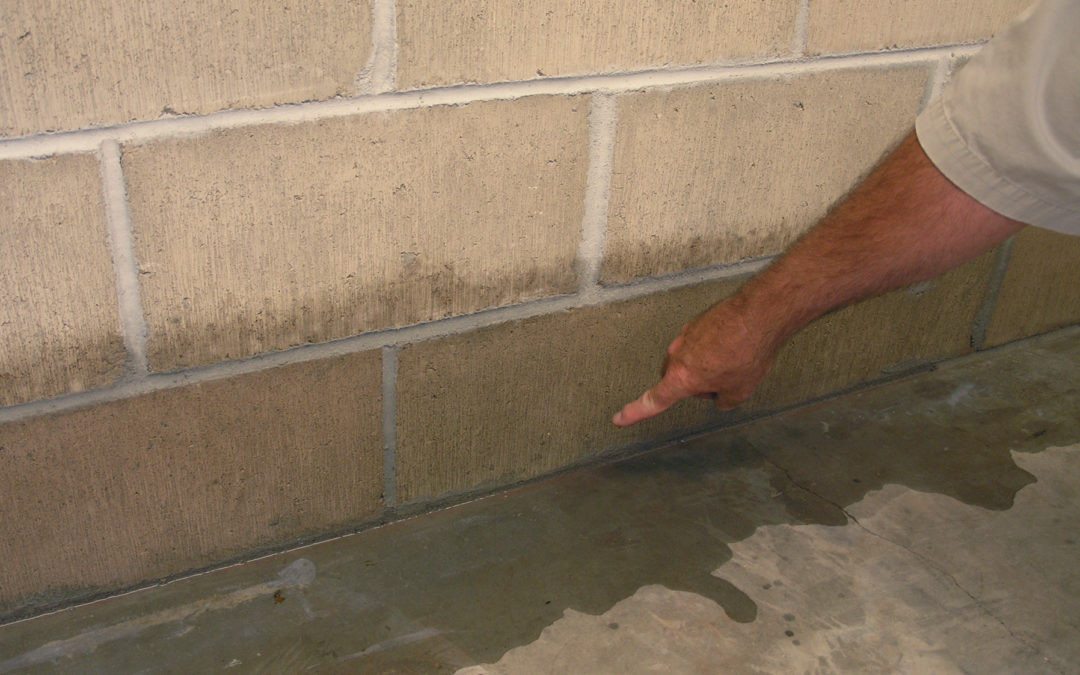
It is crucial to distinguish between types of cracks. Vertical cracks are often the result of the house “settling” into the ground over time. While they should be sealed, they are rarely structural emergencies. However, horizontal cracks—usually found mid-way up the wall—are a definitive sign of hydrostatic pressure. They indicate that the wall is buckling under the lateral weight of the soil.
The Danger of “Stair-Step” Cracking in Concrete Blocks
If your home has a cinder block foundation, look for cracks that follow the mortar joints in a diagonal, stair-step pattern. This suggests that the corners of your foundation are stable, but the center is being pushed inward. This is a precursor to a complete wall collapse if left unaddressed.
Why Typical Patching Fails to Solve the Problem
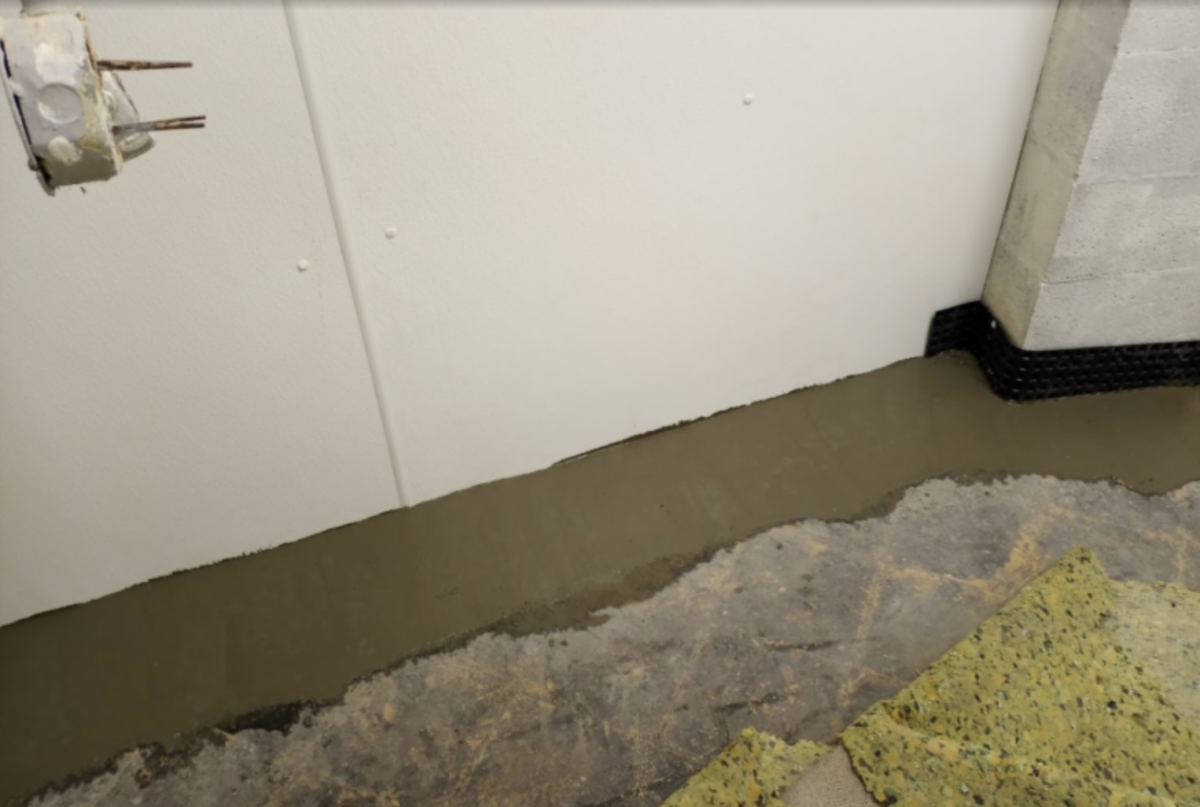
Many homeowners attempt to fix these issues with “waterproof paint” or by filling cracks with hydraulic cement from a hardware store. While this might stop a small leak temporarily, it does nothing to address the hydrostatic pressure building up outside. In fact, sealing the crack from the inside without providing a drainage path often causes the pressure to build elsewhere, leading to new cracks and more severe bowing.
The Guardian Solution: Relieving the Pressure at the Source
At Guardian Basement Waterproofing, we don’t just patch symptoms; we re-engineer the environment around your foundation to ensure it stays dry and upright forever.
The GUARDIAN® Footer Channel System vs. Standard French Drains
Traditional sub-floor pipes often clog with “fine” soil particles and lime over time. Our proprietary GUARDIAN® Footer Channel System is designed to sit on top of the footing, away from the dirt that causes clogs. It acts as a high-volume pressure-relief valve, collecting water before it can exert force on your walls and directing it safely to a sump pump.
Structural Stabilization with Carbon Fiber and Wall Anchors
If the bowing has already progressed, we utilize aerospace-grade carbon fiber straps or heavy-duty wall anchors to stabilize the structure. These solutions pull the wall back toward its original position and provide the tensile strength concrete lacks, ensuring your Baltimore home remains a safe haven for decades to come.
Frequently Asked Questions (FAQ)
Q: Can I ignore a small horizontal crack in my basement wall?
A: No. Horizontal cracks are almost always a sign of structural stress from hydrostatic pressure. Unlike vertical settlement cracks, horizontal movement indicates the wall is beginning to fail and requires professional stabilization to prevent total collapse.
Q: Does heavy rain in Baltimore make foundation pressure worse?
A: Yes. Maryland’s clay soil absorbs water like a sponge, expanding significantly. This expansion increases the weight against your foundation, leading to bowing and water seepage during the spring and fall rainy seasons.
Q: How do you fix a bowing wall permanently?
A: Permanent repair involves two steps: relieving the water pressure with a drainage system like our Footer Channel and reinforcing the wall’s structure using carbon fiber straps or heavy-duty wall anchors to restore structural integrity.
Ready to protect your home? Don’t wait for the next storm to test your foundation. Contact Guardian Basement Waterproofing today for a free structural inspection. Let our Baltimore experts provide the permanent peace of mind you deserve.
Contact Information:
Guardian Basement Waterproofing
4308 Old Milford Mill Rd
Pikesville, MD 21208
United States
Joel Anderson
(443) 785-4473
https://guardiandry.com/


