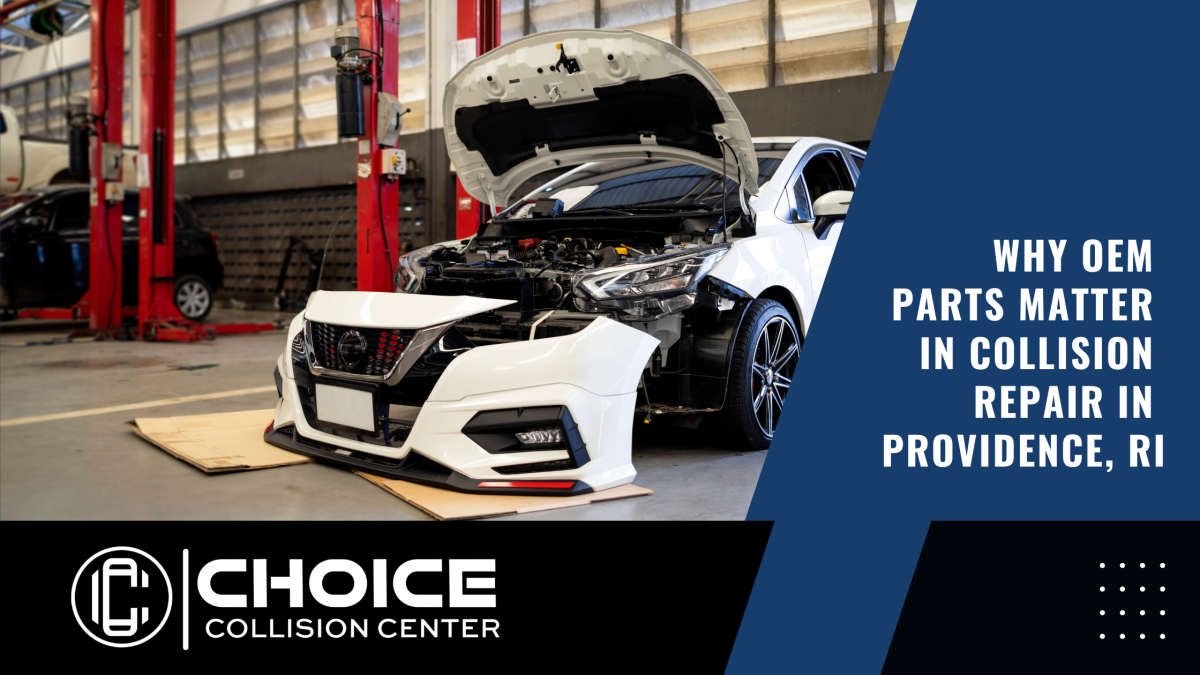
Why OEM Parts Matter in Collision Repair in Providence, RI
Providence, United States – March 16, 2026 / Choice Collision Center (Providence) /
Providence, RI — March 2026 — Choice Collision Centers is helping local drivers understand the importance of using OEM parts during collision repair. OEM parts, or Original Equipment Manufacturer components, are produced by the same manufacturer that built the vehicle and are designed to match the vehicle’s original specifications.
When a vehicle is involved in a collision, replacing damaged components with the correct parts is an important step in restoring the vehicle safely. The type of parts used during repairs can affect structural performance, safety systems, and long term reliability.
Drivers seeking professional collision repair services can learn more about the types of repairs performed after accidents and how technicians evaluate replacement parts during the repair process.
“Using the correct replacement parts helps ensure the repair matches the original design of the vehicle,” a representative from Choice Collision Centers explained. “OEM parts are designed to fit and function the same way as the components originally installed by the manufacturer.”
What OEM Parts Are and How They Are Used in Collision Repair
OEM parts are replacement components produced by the original vehicle manufacturer. These parts are built using the same specifications, materials, and engineering standards as the components installed when the vehicle was first manufactured.
Because OEM parts are designed specifically for each vehicle model, they are intended to match the original fit and performance of the vehicle.
Examples of commonly replaced OEM components during collision repair include:
-
Bumpers
-
Body panels
-
Structural components
-
Sensors and mounting brackets
-
Lighting systems
Technicians performing professional auto body repair use these parts to restore vehicles following accidents involving exterior damage or structural impact.
Why Proper Part Fit Is Important for Vehicle Safety
Vehicle manufacturers design their vehicles with carefully engineered safety structures. Many of these structures are designed to absorb energy during a crash and protect occupants inside the vehicle.
These safety features may include:
-
Structural crumple zones
-
Reinforced passenger compartments
-
Impact absorbing bumpers
-
Integrated airbag systems
When damaged components are replaced, the replacement parts must align with the vehicle’s original structural design.
According to the National Highway Traffic Safety Administration, proper repairs help ensure that vehicle safety systems continue to function correctly after a collision.
OEM parts are manufactured to match the original specifications of the vehicle, helping ensure these systems perform as intended.
OEM Parts and Modern Vehicle Technology
Modern vehicles include an increasing number of electronic safety features and driver assistance technologies. These systems rely on sensors, cameras, and electronic control units that must be positioned precisely to function correctly.
Examples of these systems include:
-
Forward collision warning
-
Lane departure alerts
-
Blind spot monitoring
-
Adaptive cruise control
If these sensors are mounted incorrectly or replaced with incompatible components, they may not function properly.
Collision repair facilities may perform system diagnostics and calibrations to ensure these systems continue working after repairs.
Industry training organizations such as I CAR provide training standards that help technicians repair modern vehicles and restore safety systems properly.
The Difference Between OEM and Aftermarket Parts
Drivers often hear the terms OEM and aftermarket parts when discussing collision repair.
OEM parts are produced by the original manufacturer and designed specifically for the vehicle.
Aftermarket parts are produced by third party manufacturers and are sometimes used as alternatives during repairs.
Some differences between these parts may include:
OEM parts
-
Produced by the vehicle manufacturer
-
Designed specifically for the vehicle model
-
Built according to manufacturer specifications
Aftermarket parts
-
Produced by third party manufacturers
-
May vary in design depending on the supplier
-
May require adjustments during installation
Because vehicle safety systems rely on precise engineering, many repair facilities evaluate parts carefully to determine which components are most appropriate for the repair.
Organizations such as the Insurance Institute for Highway Safety emphasize the importance of proper repairs to maintain vehicle crash protection.
How Collision Repair Technicians Determine Which Parts to Use
Technicians evaluate several factors when determining which replacement parts may be used during a repair.
These factors may include:
-
Vehicle age and condition
-
Insurance policy guidelines
-
Type and severity of damage
-
Manufacturer repair procedures
Repair facilities review manufacturer repair documentation to determine how damaged components should be replaced and whether specific parts are required.
Facilities that perform OEM certified collision repair follow manufacturer repair procedures when restoring vehicles following an accident.
Professional Collision Repair Inspections
After a collision, technicians typically begin with a detailed inspection of the vehicle to identify both visible and hidden damage.
This inspection may include:
-
Structural measurements
-
Removal of damaged panels
-
Electronic system diagnostics
-
Evaluation of mounting points for sensors and safety components
These inspections help technicians determine the correct repair approach and identify which parts are required to restore the vehicle safely.
Collision Repair Resources for Providence Drivers
Drivers in Providence who have been involved in an accident are encouraged to schedule a professional vehicle inspection to determine the appropriate repair process.
A qualified collision repair facility can evaluate vehicle damage, review repair procedures, and explain how replacement parts will be used during the repair.
Early inspections help identify hidden damage and allow technicians to begin repairs before additional problems develop.
Drivers who need assistance following a collision can contact the repair team at Choice Collision Centers to schedule a vehicle inspection.
About Choice Collision Centers
Choice Collision Centers is a locally owned collision repair facility serving drivers in Providence, Rhode Island and Fall River, Massachusetts. The facility provides a range of services including structural repairs, auto body repair, paint refinishing, vehicle diagnostics, and collision damage inspections. Technicians follow manufacturer repair procedures and industry repair standards when restoring vehicles following accidents.
Media Contact
Choice Collision Center
125 Ernest St
Providence, RI 02905
Phone: (401) 245-0213
Email: information@choicecollisioncenters.com
Contact Information:
Choice Collision Center (Providence)
125 Ernest St, Providence, RI 02905
Providence, RI 02905
United States
Steve Melo
https://choicecollisioncenters.com/


Original Source: https://choicecollisioncenters.com/why-oem-parts-matter-in-collision-repair-in-providence-ri/


