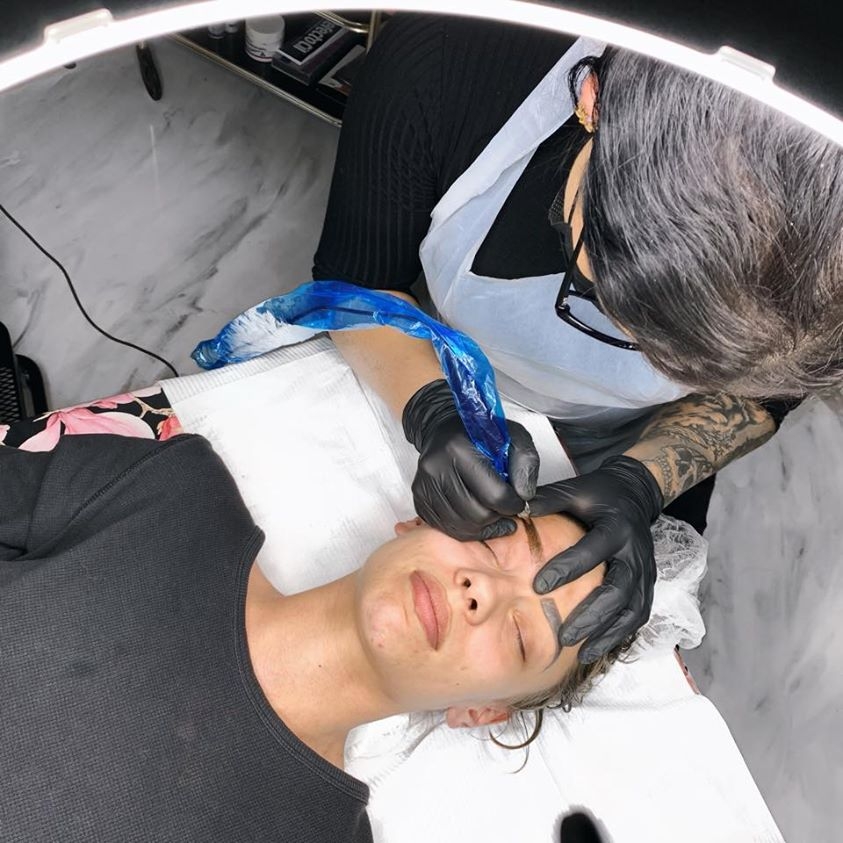
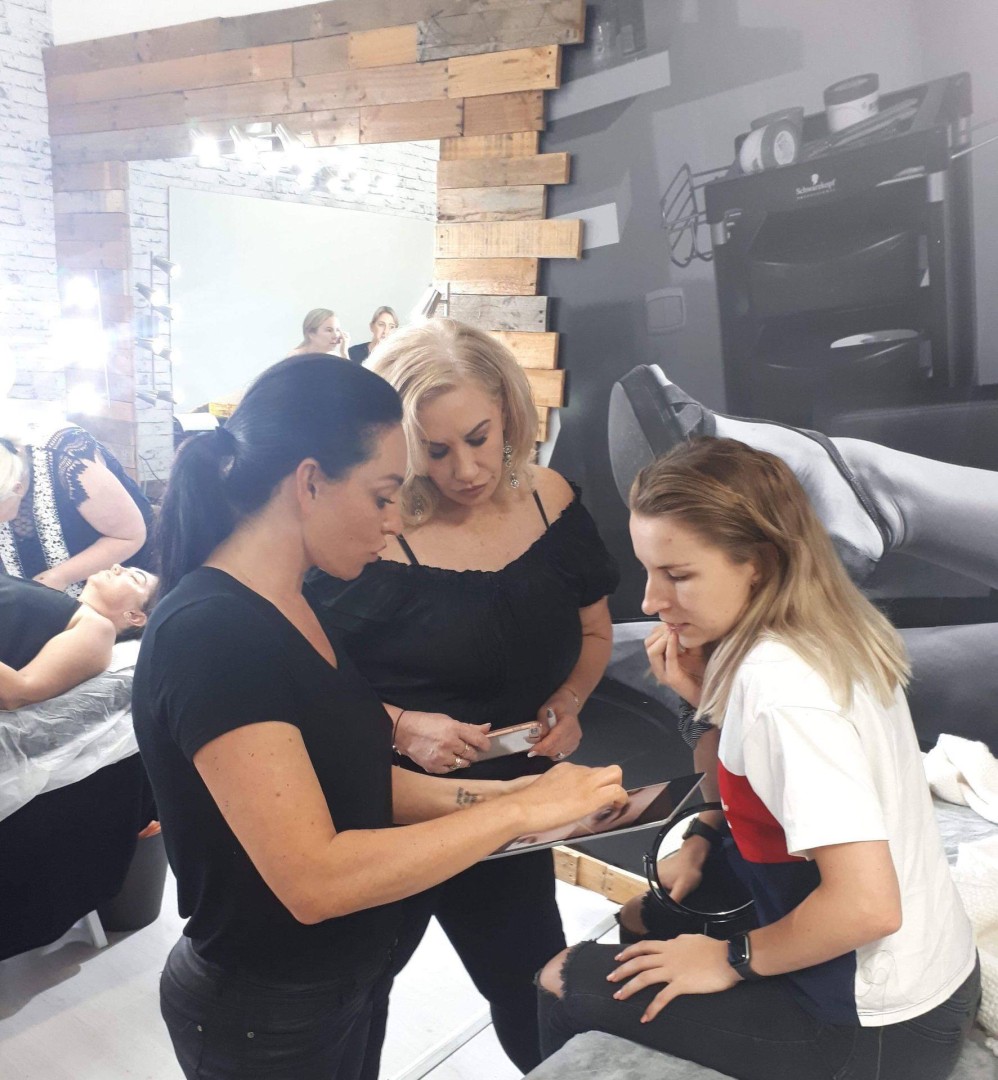
Beauty professionals across Australia are being urged to better understand infection control training requirements, with growing confusion surrounding the difference between SHBBINF002 Maintain Infection Control Standards and HLTINF005 Maintain infection prevention for skin penetration treatments.
As cosmetic tattooing, skin needling, advanced beauty procedures and personal appearance services continue to grow, industry experts say many operators remain unclear about which infection control qualification may apply to their business, treatment type or state requirements.
While infection control is a national safety priority, regulations are not always identical across Queensland, New South Wales and Victoria. Different councils, state health departments and licensing systems can create uncertainty for salon owners, cosmetic tattoo artists, beauty therapists, tattooists and skin penetration operators.
“One of the biggest issues we see is confusion around infection control training requirements,” said Michelle Scurry, owner of Elevare Training. “Many beauty professionals hear about SHBBINF002 and HLTINF005 but are unsure which qualification applies to their treatments, business model or state requirements.”
Why Infection Control Training Is Becoming More Important
Australia’s beauty industry has expanded rapidly in recent years, particularly in areas involving skin penetration and advanced cosmetic procedures.
Services such as:
- cosmetic tattooing
- microblading
- skin needling
- body piercing
- tattooing
- advanced dermal procedures
- laser and skin treatments
all require operators to understand infection prevention, hygiene and contamination risks.
Infection control failures can increase the risk of cross-contamination, bacterial infection and blood-borne virus exposure.
“Infection control is not just about compliance paperwork,” Scurry said. “It directly affects client safety, operator safety and the professionalism of the entire beauty industry.”
What Is SHBBINF002 Maintain Infection Control Standards
SHBBINF002 Maintain Infection Control Standards is a nationally recognised training unit commonly delivered within beauty and salon-related qualifications.
Training.gov.au states that the unit covers the skills and knowledge required to comply with infection control regulations and organisational procedures within personal services environments. (training.gov.au)
The unit is generally associated with lower-risk beauty and salon environments where operators must understand:
- hygiene procedures
- cleaning and disinfection
- workplace infection control standards
- safe work practices
- maintaining clean service environments
- preventing contamination risks
This makes SHBBINF002 highly relevant for many beauty therapists, nail technicians, hairdressers and salon workers performing standard beauty services.
What Is HLTINF005 Maintain Infection Prevention For Skin Penetration Treatments
HLTINF005 Maintain infection prevention for skin penetration treatments is a nationally recognised infection control unit focused on higher-risk treatments involving skin penetration.
Training.gov.au states that the unit covers infection prevention during skin penetration treatments and reviewing clinic compliance with applicable state or territory requirements. (training.gov.au)
This unit is commonly associated with treatments involving:
- tattooing
- cosmetic tattooing
- microblading
- body piercing
- procedures involving needles or skin penetration
- higher-risk personal appearance services
The unit places stronger emphasis on:
- blood exposure risks
- sharps handling
- sterilisation procedures
- cross-contamination prevention
- clinic compliance requirements
- skin penetration regulations
“Many operators do not realise that HLTINF005 is designed specifically for skin penetration environments,” Scurry said. “It goes beyond standard salon hygiene and focuses on higher-risk procedures where infection prevention is critical.”
Understanding The Difference Between SHBBINF002 And HLTINF005
One of the biggest causes of confusion in the beauty industry is that both units relate to infection control, but they are designed for different treatment environments and risk levels.
In general terms:
SHBBINF002 Commonly Focuses On
- general salon hygiene
- beauty and hair environments
- infection control standards
- cleaning and workplace procedures
- lower-risk beauty services
HLTINF005 Commonly Focuses On
- skin penetration treatments
- blood and body fluid exposure risks
- sharps and needle procedures
- sterilisation and contamination prevention
- higher-risk personal appearance services
This distinction is important because some operators may incorrectly assume that general salon infection control training automatically satisfies higher-risk skin penetration obligations.
Queensland Has Specific Requirements For Higher Risk Services
Queensland is one of the clearest examples of how infection control obligations can differ depending on the treatment type.
Queensland Health states that operators performing higher risk personal appearance services must hold HLTINF005 Maintain infection prevention for skin penetration treatments.
Brisbane City Council also states that businesses carrying out higher risk personal appearance services require a licence. Examples include body piercing, tattooing, scarring, implanting substances and tattoo removal involving skin penetration.
This means beauty professionals offering advanced skin penetration treatments in Queensland may need different infection control training from operators providing lower-risk salon services.
NSW And Victoria Use Different Compliance Frameworks
New South Wales regulates skin penetration procedures under the Public Health Act 2010 and Public Health Regulation 2022. NSW Health guidance covers beauty, body art and skin penetration industries. (health.nsw.gov.au)
Victoria also has its own public health framework for hair, beauty, tattooing and skin penetration industries, with local council registration requirements applying to many businesses depending on service type and premises. (health.vic.gov.au)
Because the regulatory systems differ between states, operators should avoid assuming that one qualification or approval automatically covers every treatment or jurisdiction.
Local Council Requirements Can Also Create Confusion
Local councils can play a major role in licensing, registration and inspections.
This means two beauty businesses offering similar services may face different obligations depending on their location.
Beauty professionals should check:
- local council registration requirements
- state licensing rules
- treatment classifications
- infection control training obligations
- premises approval requirements
- inspection and documentation obligations
“Beauty professionals should not assume the rules are identical across Australia,” Scurry said. “Checking your state and local council requirements before offering skin penetration services is extremely important.”
Why This Matters For Cosmetic Tattooing And Advanced Beauty Services
Confusion surrounding infection control training has become more important as cosmetic tattooing and advanced beauty services continue to grow across Australia.
Many operators begin with standard beauty qualifications before later expanding into:
- cosmetic tattooing
- microblading
- skin needling
- advanced dermal procedures
- tattoo removal
- skin penetration treatments
As businesses evolve, additional infection control obligations may apply.
This is one reason industry experts are encouraging operators to better understand the distinction between general infection control standards and higher-risk skin penetration infection prevention requirements.
FAQ
What Is SHBBINF002 Maintain Infection Control Standards?
SHBBINF002 is a nationally recognised unit covering infection control procedures commonly used in salon and beauty service environments. It focuses on maintaining hygiene, infection control standards and safe workplace practices.
What Is HLTINF005 Maintain Infection Prevention For Skin Penetration Treatments?
HLTINF005 is a nationally recognised infection control unit focused on skin penetration treatments and higher-risk procedures involving blood exposure and contamination risks.
Is HLTINF005 Different From SHBBINF002?
Yes. While both units relate to infection control, HLTINF005 is specifically designed for skin penetration environments and higher-risk treatments involving needles, sharps or blood exposure risks.
Do Cosmetic Tattoo Artists Need HLTINF005?
Requirements vary depending on the state, council and treatment type. In Queensland, operators providing higher risk personal appearance services must hold HLTINF005.
Are Infection Control Rules The Same Across Australia?
No. Queensland, NSW and Victoria each use different regulatory frameworks, licensing systems and council processes relating to beauty and skin penetration services.
Why Beauty Professionals Should Review Their Infection Control Training
Australia’s beauty industry is changing rapidly, particularly in cosmetic tattooing, advanced skin treatments and skin penetration services.
As treatments evolve, infection control expectations and compliance obligations are becoming increasingly important.
Understanding the difference between SHBBINF002 and HLTINF005 can help beauty professionals better understand their training pathways, treatment risks and potential compliance obligations.
Before offering skin penetration treatments or higher-risk beauty services, operators should confirm state requirements, local council obligations and appropriate infection control training requirements for their business.
Media Contact
Company Name: Elevare Training Group
Contact Person: Michelle Scurry
Email: Send Email
Phone: 0417 554 144
Address:108a Henson Rd
City: Salisbury, 4107
State: QLD
Country: Australia
Website: https://aidtobeautytraining.com.au/infectioncontroltraining/
Press Release Distributed by ABNewswire.com
To view the original version on ABNewswire visit: Beauty Professionals Warned About Major Confusion Between SHBBINF002 And HLTINF005