How Wind Project Teams Can Avoid Hiring Delays in Renewable Energy Engineering
Sydney, Australia – March 16, 2026 / Vinova /
Vinova shares a hiring checklist for wind energy engineer recruitment and the roles projects struggle to fill
Vinova has published guidance that frames wind energy engineer recruitment as a project-readiness challenge as much as a talent one, especially as onshore and offshore wind teams scale across Australia and New Zealand. The firm’s checklist approach starts with defining the engineering role type clearly, then confirming a small set of early signals that reduce downstream rework, from grid compliance exposure to remote delivery readiness and stakeholder considerations.

Why wind energy engineer recruitment gets stuck
Vinova’s engineering and renewables content points to a recurring pattern in hiring: the role title looks familiar, but the real scope sits inside the project stage, the asset lifecycle, and the delivery environment. Engineering capability is often needed from feasibility and concept through construction oversight and operational optimisation, which means job briefs that stop at a generic “engineer” label can attract candidates who are strong on paper but misaligned on the day-to-day.
When that mismatch happens, the recruitment cycle tends to stretch. Interviews focus on broad experience rather than the exact bottlenecks the project is trying to clear, and screening misses the specialist exposure that separates a safe hire from a risky one. Vinova’s perspective is that clarity upfront is a practical hiring advantage, particularly when teams need people who can move across disciplines and adapt to the context of wind projects.
Vinova wind energy recruitment guidance also highlights the reality that location and delivery conditions shape what “good” looks like. The engineering profile that works in a metro-based design environment may not be the same profile that thrives on a regional project with tight logistics and multiple stakeholder groups.
The role types behind wind energy engineer recruitment
Vinova’s published overview of engineering roles in solar and wind sets out the common role types employers seek when building project teams. The roles include Project Engineers, Design Engineers, Electrical Engineers, Civil Engineers, Mechanical Engineers, and Commissioning Engineers, each tied to different phases and priorities.
Project Engineers are positioned as delivery-focused, supporting construction timelines, budgets, and contractor coordination. Design Engineers focus on planning layouts, equipment specifications, and modelling project feasibility. Electrical Engineers sit close to grid compliance, substation design, and high-voltage safety, while Civil Engineers handle land use, access, drainage, and structural considerations. Mechanical Engineers may be responsible for specifying wind turbine components, and Commissioning Engineers lead the final handover into full operation.
Vinova’s guidance also suggests that projects can struggle when role boundaries blur. A hiring brief that combines design modelling, grid integration, and construction delivery into a single position can narrow the viable talent pool, or create an unrealistic “all-in-one” expectation. Defining the primary role type early allows a hiring team to decide what must be present on day one and what can be supported by adjacent roles.
What to confirm early for wind energy engineer recruitment
Vinova’s content points to three practical confirmations that help hiring teams avoid late-stage surprises. The first is whether the candidate has exposure to grid-related requirements and the compliance environment the project will operate within. The second is whether the candidate is ready for remote or regional delivery conditions where logistics, resourcing, and site constraints influence engineering decisions. The third is whether the candidate has experience working across stakeholder environments that can include community engagement and broader participation considerations.
This early confirmation is not framed as a box-ticking exercise. It is about matching a candidate’s real project history to the conditions the role will face. Vinova’s guidance encourages specificity, such as identifying project types and contributions, noting regulatory or grid frameworks worked within, and referencing remote work or cross-functional exposure where it applies.
Vinova wind energy recruitment messaging also aligns with the idea that a hiring brief becomes stronger when it reflects the project’s context rather than relying on generic requirements. That shift often improves screening quality because the criteria are anchored to real delivery needs rather than broad industry labels.
Grid compliance checks for wind energy engineer recruitment
Vinova’s engineering guidance names grid connection experience as a critical hiring signal, describing grid compliance as a project bottleneck where specialist capability can affect timelines and approvals. The content highlights that engineers with understanding of Generator Performance Standards, dynamic modelling tools such as DIgSILENT PowerFactory or PSCAD, substation design, and R1 testing are often seen as highly valuable.
For hiring teams, this can be translated into a checklist conversation that stays grounded in actual exposure. Rather than asking for general “grid experience,” the screening can explore whether the candidate has worked with performance standards, modelling and studies, substation interfaces, or constraints that impact output and operational outcomes. The goal is not to demand every item, but to confirm whether the candidate’s experience aligns with the project’s grid pathway and technical risk areas.
Vinova’s broader services positioning supports the idea that the right engineering hire depends on understanding where the project is in its lifecycle, from early development through delivery and operations. That is especially relevant when grid connection work overlaps with planning, development sequencing, and stakeholder processes.
Remote delivery checks for wind energy engineer recruitment
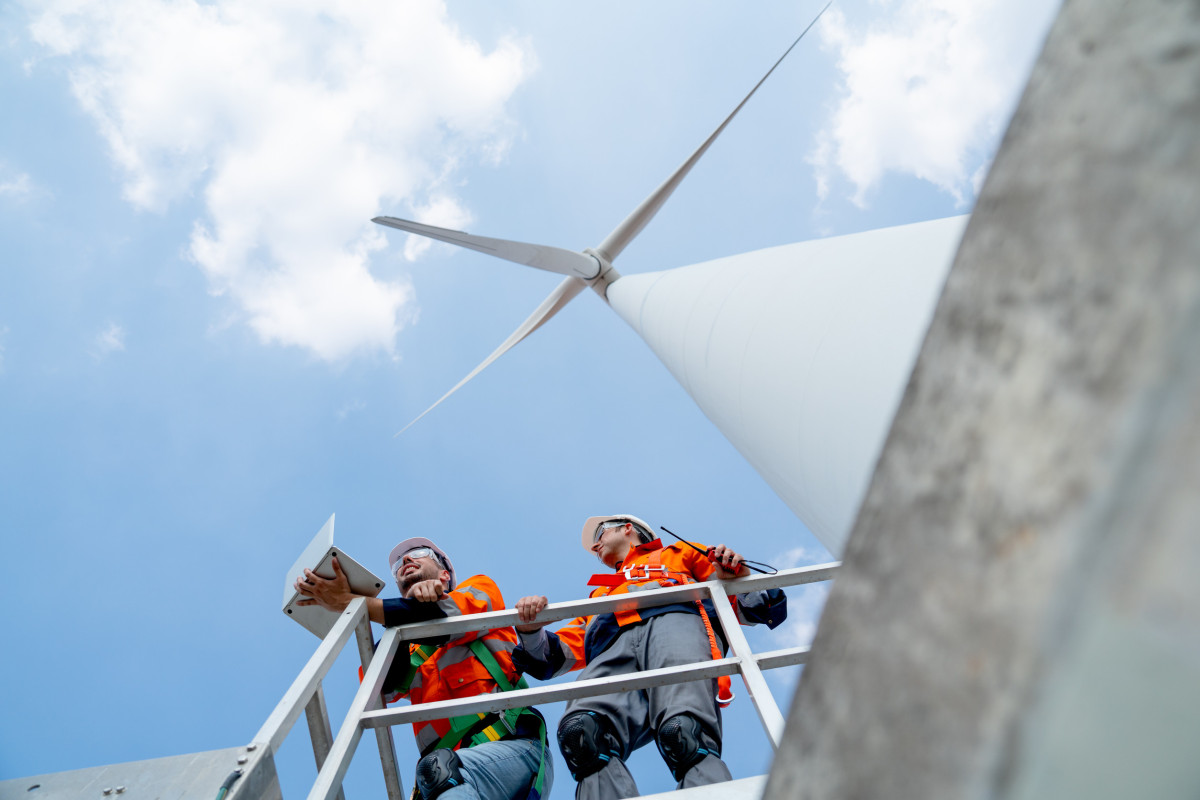
Vinova’s published guidance on engineering roles notes that regional and remote projects often come with logistical complexity and conditions that reshape the work. The content describes engineers dealing with terrain and access challenges, coordination across difficult-to-reach areas, and delivery constraints that extend beyond pure design.
In practical hiring terms, the checklist can confirm whether a candidate is comfortable with work patterns and constraints that commonly appear in regional delivery environments. Vinova’s guidance references factors such as FIFO schedules or extended on-site rotations and resource-limited environments, which can include communications limitations and accommodation constraints.
This is also where collaboration habits become relevant. Remote delivery often requires clear stakeholder communication, disciplined planning, and comfort working across multiple functions, especially when timelines, procurement, and site readiness intersect. Vinova’s content positions project readiness and stakeholder communication as part of what employers value when reviewing candidates in these roles.
Stakeholder factors in wind energy engineer recruitment
Vinova’s engineering guidance points to community engagement as a factor employers pay attention to, particularly for large-scale developments in regional areas. That can influence how roles are structured and what experience is prioritised, especially where local stakeholders and approvals shape delivery.
Vinova’s content also highlights considerations that can sit inside the remote project context, including working with Indigenous stakeholders and Traditional Owners, and understanding local economic participation plans. These factors can affect how project teams operate, how site activities are coordinated, and how engineering decisions are communicated across stakeholders.
For hiring teams, this becomes another early confirmation point. The screening conversation can explore whether the candidate has operated in complex stakeholder environments, whether they have worked across planning and approvals processes, and whether they can communicate technical constraints in a way that supports delivery. Vinova’s project development services content reinforces that the development phase can involve stakeholder engagement, planning approvals, and grid connection, which often intersect with the engineering workstream.
Building capability beyond the job title
Vinova’s services pages position engineering as the backbone of renewable energy and infrastructure projects, spanning design, build, and operation across technologies that include onshore and offshore wind. This framing encourages hiring teams to think in capability sets rather than narrow job titles, especially where project needs can shift quickly between development milestones and delivery stages.
Vinova’s guidance on engineering candidates also places weight on clear articulation of project contribution. It notes the value of candidates specifying project types, describing their scope, and referencing technologies and tools used. This helps employers see whether experience is transferable to the project at hand, and it supports faster alignment between hiring managers, recruiters, and technical reviewers.
Vinova wind energy recruitment work also sits within a broader staffing model conversation. The firm outlines multiple approaches on its Staffing Solutions page, including contingent staffing for short-term gaps, permanent staffing for long-term team build, retained search for executive-level roles, and RPO services that cover end-to-end recruitment from sourcing to onboarding.
FAQ: wind energy engineer recruitment
What is the first decision to make in a wind engineering hire?
Vinova’s published guidance suggests the first decision is to define the role type clearly, because “engineer” can mean very different things depending on the phase of the project and the primary deliverable. Roles commonly include project, design, electrical, civil, mechanical, and commissioning responsibilities, each requiring different focus areas. Clarifying the role type early helps a hiring team screen for the right evidence of experience, rather than relying on broad titles that can hide important differences in scope.
Which wind engineering roles are most likely to impact delivery timelines?
Vinova’s guidance points to roles that sit close to construction delivery, grid readiness, and final handover as highly influential on timelines. Project engineers support timelines, budgets, and contractor coordination, electrical engineers may be critical where grid compliance and substation interfaces are involved, and commissioning engineers lead the handover into full operation. When these roles are not aligned to the project’s real bottlenecks, teams can lose time in rework, escalation, and repeated design or compliance reviews.
What should hiring teams ask to verify grid-related experience?
Vinova describes grid connection experience as a major value signal and lists examples that help make screening more specific. The guidance references Generator Performance Standards, dynamic modelling with tools such as DIgSILENT PowerFactory or PSCAD, substation design, and R1 testing. A hiring team can translate this into a focused interview that explores what the candidate actually worked on, how close they were to the compliance pathway, and what parts of the grid interface they can own versus support.
How can employers assess readiness for regional or remote wind projects?
Vinova’s guidance notes that remote projects can involve conditions that are easy to underestimate until a hire starts. The content references FIFO schedules or extended on-site rotations and resource-limited environments that can include communications and accommodation constraints. Screening for readiness can include questions about past remote delivery experience, how the candidate handled logistics and coordination, and how they communicate across teams when access, time, and resources are constrained.
Why do stakeholder considerations matter in technical engineering recruitment?
Vinova’s published guidance links remote project delivery with community engagement and references working with Indigenous stakeholders and Traditional Owners, alongside local economic participation plans. These factors can influence project progress and expectations for how technical work is communicated and delivered. In practice, employers benefit from confirming whether a candidate has worked in stakeholder-rich environments and understands how engineering decisions connect to approvals, engagement processes, and cross-functional delivery pressures.

wind energy engineer recruitment with Vinova
Vinova positions its recruitment work around matching engineering capability to the realities of renewable energy delivery across Australia and New Zealand, including onshore and offshore wind. The firm’s published guidance supports a hiring checklist that begins with role clarity, then confirms grid exposure, delivery conditions, and stakeholder context early, so teams can move from screening to shortlist with less friction.
For organisations weighing how to resource critical wind roles, Vinova also outlines multiple staffing pathways across its Wind Energy Recruitment content, Engineering service page, Jobs listings, Staffing Solutions options, and Contact page, supporting both immediate project needs and longer-term team build. Vinova’s approach is presented as a practical way to bring structure to wind energy engineer recruitment without losing speed, and to keep hiring aligned to project outcomes.


Contact Information:
Vinova
Level 7 68 Pitt Street
Sydney, New South Wales 2000
Australia
Richard Shaw
+61 2 8246 7777
https://vinova.com.au/


Original Source: https://vinova.com.au/media-room/#/media-room