
Key Takeaways
- DIY bed bug sprays consistently fail — often making infestations worse by scattering bugs deeper into walls and furniture.
- Professional heat treatment eliminates bed bugs and their eggs with a 95%+ success rate, something no over-the-counter product can match.
- Bed bug infestations carry serious health consequences, including chronic sleep loss, significant psychological distress, and lasting emotional strain.
- Certain states have specific laws that regulate — and in some cases require — licensed professional treatment.
- The total cost of repeated DIY failures can easily surpass what a single professional treatment would have cost from the start.
Waking up with unexplained red bites. Spotting tiny rust-colored stains on your sheets. That creeping dread that something is living in your mattress. For homeowners, a bed bug infestation is one of the most unsettling things that can happen at home — and one of the hardest to fix without professional help. According to the Washington D.C. specialists from Connor’s Pest Pros, this is a pattern they see consistently: homeowners attempt DIY treatment, the infestation persists, and by the time a professional is called in, the problem has grown significantly harder to eliminate. This piece breaks down exactly why professional pest control is the only reliable path to full eradication, what licensed exterminators do that you simply cannot replicate at home, and what ignoring the problem could actually cost.
DIY Sprays Fail the Vast Majority of the Time
Walk into any hardware store, and there is no shortage of bed bug sprays lining the shelves. The labels are bold. The promises are bigger. But the results? Consistently disappointing. Consumer-grade sprays achieve full elimination at a very low rate — and that is not a minor shortcoming. It is a near-guaranteed failure for most households that try them.
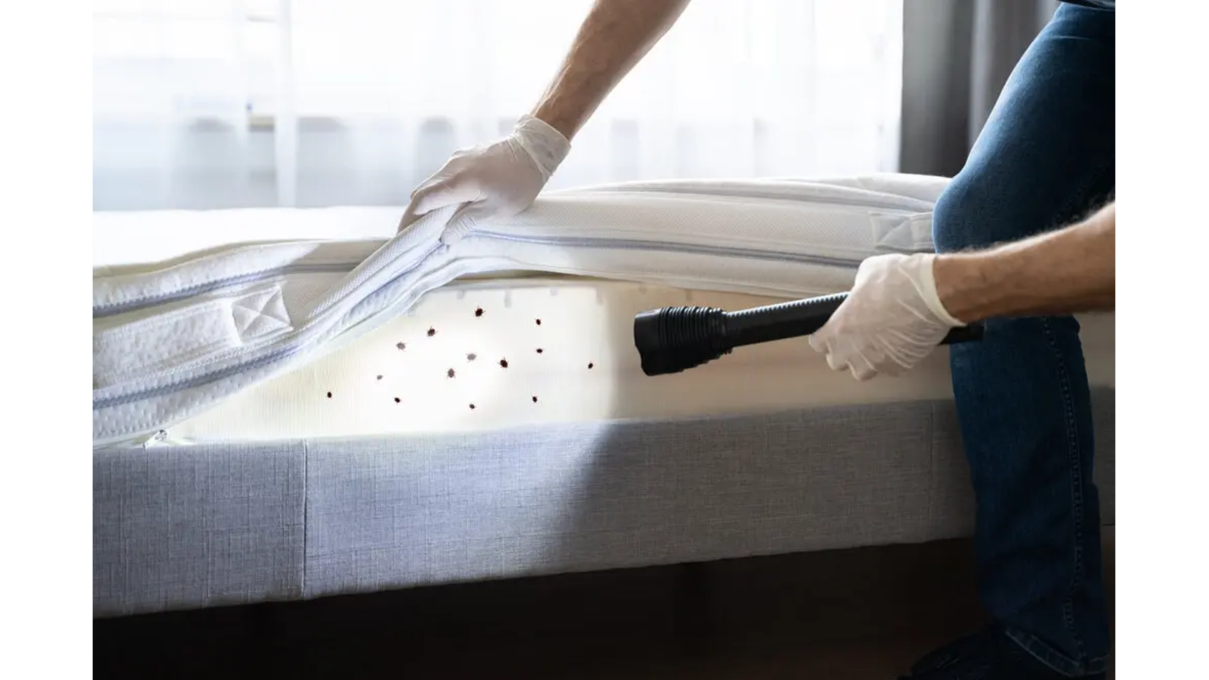
Bed bugs do not just live on your mattress. They colonize the inside of box springs, the seams of upholstered furniture, wall voids behind electrical outlets, and even the gaps inside picture frames. A can of spray cannot reach those places. And the bugs that survive? They keep breeding. A single female bed bug can lay between one and five eggs per day. Letting even a fraction of an infestation survive is not a partial win — it is just a delayed loss.
Why Bed Bugs Defeat DIY Every Time
They Hide Where Sprays Cannot Reach
Bed bugs are remarkably flat when unfed — small enough to tuck into the tiniest crevices imaginable: inside the hollow legs of bed frames, behind loose wallpaper, underneath carpet tacking strips, inside electronics near sleeping areas. These are not spots where a spray bottle is going to make contact, no matter how thorough the application.
There is also the egg problem. Even if a spray does kill the adult bugs it reaches, bed bug eggs are notoriously resistant to topical chemical treatments. Eggs are deposited in protected, hard-to-reach spots and coated in a substance that helps repel many insecticides. This means a DIY treatment might eliminate visible bugs while an entirely new generation quietly hatches days later — and the cycle restarts. EPA guidance on bed bug treatment notes that very few infestations are controlled with only one treatment, and that professionals are expected to inspect thoroughly and use a combination of vacuums, heat, and pesticides as part of a coordinated effort — not a single spray application.
Resistance Has Made Pesticides Less Reliable
Over the past few decades, bed bug populations have developed significant resistance to many of the conventional pesticides that were once highly effective against them. The pyrethroid class of insecticides — among the most commonly used in consumer products — has seen dramatically reduced effectiveness as resistant populations have spread across urban areas like Washington, D.C., Northern Virginia, and suburban Maryland. This is why professional pest managers have shifted toward Integrated Pest Management strategies rather than relying on chemical applications alone.
What Professionals Actually Do Differently
1. Thorough Inspection First
A licensed pest control professional does not walk in and start spraying. The process begins with a systematic inspection — and it goes much further than checking the mattress. Trained technicians know the behavioral patterns of bed bugs and target their known harborage points: inside electrical outlet boxes, beneath carpet edges, inside hollow furniture frames, along the piping of upholstered cushions, and behind headboards mounted to walls.
Some professional services in the D.C. area deploy K9 inspection units — dogs trained to detect live bed bugs and viable eggs by scent alone. Studies on canine detection suggest these inspections can be highly accurate under controlled conditions, though real-world performance varies depending on the training and handling of the team. This upfront investment in detection is what makes everything that follows far more effective. Professionals treat what they find, not just what is visible.
2. Heat Treatment: 95%+ Success Rate
Bed bugs cannot survive sustained exposure to temperatures above 122°F (50°C). Professional heat treatment takes advantage of this vulnerability by raising the temperature of an entire room — or an entire home — to lethal levels and holding it there long enough to penetrate every harborage point, including wall voids, mattress interiors, and furniture seams. There is nowhere left to hide.
This is the most significant advantage professionals hold over DIY methods. No consumer product generates or sustains this kind of heat at scale. When executed properly, professional heat treatment carries a success rate exceeding 95%, according to industry and academic findings. Heat also kills eggs — breaking the reproductive cycle entirely rather than just reducing the adult population. For residents in the D.C. metro area — where infestations spread easily through multi-unit housing — this complete kill is critical.
3. Integrated Pest Management (IPM)
IPM is not a single product or technique — it is a strategy. Regulatory agencies and pest control professionals alike recommend IPM as a highly effective, well-rounded approach to bed bug eradication because it combines multiple methods rather than betting everything on one. A professional IPM plan for bed bugs typically includes physical interventions (vacuuming harborage areas, encasing mattresses), targeted pesticide application to specific zones, heat treatment for full-room elimination, and ongoing monitoring between visits.
The key distinction between IPM and DIY chemical treatment is precision. Consumer sprays are applied broadly, often to surfaces bugs do not use, while missing the crevices where they actually live. IPM uses each tool where it is most effective. Pesticides go into the spots where heat is hardest to sustain. Heat treats the broad environment where contact sprays cannot penetrate. Together, these layers close the gaps that any single method leaves open.
4. Follow-Up Visits to Confirm Full Eradication
Even the most thorough single treatment can leave survivors — often eggs that had not yet hatched at the time of treatment. This is why professional bed bug control always includes follow-up visits. Technicians return to re-inspect, monitor traps, and retreat any areas that show signs of remaining activity. This follow-up structure is what separates a temporary reduction in bugs from actual eradication.
EPA guidance specifically highlights monitoring as a critical component of IPM-based treatment — professionals are expected to check for any bugs that may have been missed during the initial visit. Without follow-up, there is no way to confirm whether treatment worked — or whether a second generation is quietly developing in the walls.
The Real Cost Comparison: Pro vs. DIY
Upfront Cost vs. Long-Term Losses
Professional bed bug extermination typically ranges from $1,000 to $5,000 depending on the size of the home and the severity of the infestation. That number can feel steep at first glance. But it only looks expensive when compared in isolation — not when compared against the realistic alternative. The upfront price of professional treatment looks very different when the full picture of DIY failure is on the table — an equation that often includes legal requirements.
Laws That Back Professional Treatment
Certain states have laws associated with professional treatment for bed bugs.
D.C.’s Bedbug Control Act
Washington, D.C. has taken one of the most direct legislative stances on bed bug treatment in the region. The Bedbug Control Act places specific obligations on landlords to respond promptly when tenants report a bed bug infestation — and requires that treatment be performed by a licensed pest management professional. This is not a guideline; it is a legal mandate.
For renters in D.C., this law is a meaningful protection. If a landlord attempts to handle a bed bug infestation with DIY measures rather than engaging a licensed professional, they may violate the Bedbug Control Act and be subject to legal consequences. For tenants who are unsure of their rights or feel their landlord is not responding adequately, knowing this law exists is the first step toward holding property owners accountable.
Stop the Infestation Before It Costs You More
Every day a bed bug infestation goes untreated, it gets harder — and more expensive — to eliminate. The bugs multiply. The hiding spots multiply. The psychological strain compounds. And the gap between what early professional treatment would have cost and what a prolonged infestation ultimately costs keeps widening.
The evidence across every dimension — success rates, health outcomes, legal frameworks, and real-world cost data — points in the same direction. DIY methods fail the overwhelming majority of the time. Professional heat treatment and IPM-based strategies succeed at rates that consumer products simply cannot approach. Licensed professionals bring inspection tools, treatment methods, and follow-up protocols that no amount of hardware store spending can replicate.
For homeowners and renters, the decision to call a professional is not a luxury — it is the move that actually ends the infestation. Waiting costs more. Acting early, with the right help, is the only strategy with a track record of working.
Connor’s Pest Pros
5410 Port Royal Rd
Springfield
VA
22151
United States


