Identifying Hearing Issues in Kids Early: Strategies for Prompt and Effective Detection
Charlotte, United States – March 18, 2026 / Hearing Healthcare Centers /
World Hearing Day, celebrated annually on March 3rd, aims to raise awareness about the importance of hearing health, particularly for children. In 2026, the focus will be on early hearing screening, a critical process that can significantly impact a child’s development. This article will explore the significance of early hearing screening, the methods used to detect hearing loss, and the benefits of timely intervention. Parents will also learn about newborn hearing screening guidelines, when tests should be conducted, and where to find free pediatric hearing evaluations in their local areas. By understanding these aspects, families can ensure their children receive the necessary support for healthy auditory development.
What Is Early Hearing Screening for Children and Why Is It Important?
Early hearing screening for children is a proactive measure designed to identify hearing loss as soon as possible, ideally before a child reaches three months of age. This process is crucial because early detection allows for timely intervention, which can significantly enhance a child’s language development and overall quality of life. Statistics indicate that approximately 1 in 1,000 newborns is born with a detectable level of hearing loss, making early screening essential for effective management. By identifying hearing issues early, parents and healthcare providers can implement strategies that support the child’s communication skills and social interactions.
Further emphasizing the critical role of early detection, research underscores how timely hearing assessments are foundational for a child’s overall developmental success.
How Does Early Hearing Screening Detect Childhood Hearing Loss?
Early hearing screening employs various techniques to assess a child’s auditory capabilities. Common methods include otoacoustic emissions (OAE) and auditory brainstem response (ABR) tests. OAE tests measure sound waves produced in the inner ear, while ABR tests evaluate the brain’s response to sound stimuli. These screenings are quick, painless, and can be performed shortly after birth. Timely screening is vital, as it ensures that any hearing loss is detected early, allowing for appropriate interventions to be put in place before critical language development milestones are reached.
What Are the Benefits of Early Detection for Language Development?
The benefits of early detection of hearing loss are profound, particularly concerning language development. Children who receive timely intervention are more likely to develop age-appropriate language skills, which are essential for effective communication and social interaction. Research shows that early intervention can lead to improved academic performance and better social outcomes. Parents play a crucial role in this process by being vigilant about their child’s hearing and seeking evaluations when necessary. By addressing hearing loss early, families can foster an environment that supports their child’s growth and development.
Supporting these findings, a significant study highlights the direct positive correlation between early intervention and improved language outcomes for children with hearing loss.
What Are the Newborn Hearing Screening Guidelines for Infants?
Newborn hearing screening guidelines recommend that all infants undergo hearing tests before they are one month old. The screening process typically involves two main tests: the OAE and ABR. If a newborn does not pass the initial screening, follow-up evaluations should occur within the first three months. These guidelines are designed to ensure that any potential hearing issues are identified and addressed promptly, allowing for early intervention strategies to be implemented.
When Should Newborns Undergo Hearing Tests?
Newborns should ideally undergo hearing tests within the first month of life. The American Academy of Pediatrics recommends that all infants be screened for hearing loss before they reach one month of age. If a newborn fails the initial screening, further testing should be conducted by three months of age. This timeline is critical, as early detection and intervention can significantly improve a child’s language and social development.
How Are Hearing Tests Performed on Infants?
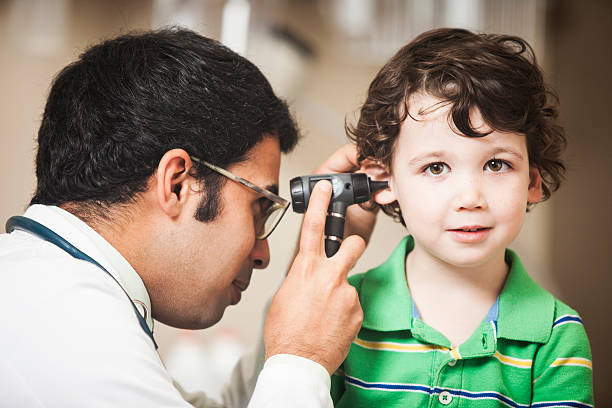
Hearing tests for infants are typically performed in a quiet environment to ensure accurate results. The OAE test involves placing a small probe in the baby’s ear, which emits sounds and measures the response from the inner ear. The ABR test requires electrodes to be placed on the baby’s head to monitor brain activity in response to sound. Both tests are non-invasive and can be completed in a matter of minutes, providing essential information about the infant’s hearing capabilities.
Where Can Parents Find Free Pediatric Hearing Evaluations in Charlotte NC and Rock Hill SC?
Parents seeking free pediatric hearing evaluations in Charlotte, NC, and Rock Hill, SC, can access several local clinics that offer these services. Many community health organizations and hospitals provide free or low-cost hearing screenings for children. It is essential for parents to inquire about available resources in their area to ensure their child receives the necessary evaluations.
-
Charlotte Pediatric Audiology – Located in Charlotte, NC. Offers free hearing screenings for infants and children.
-
Rock Hill Hearing Center – Located in Rock Hill, SC. Provides pediatric hearing evaluations and follow-up services.
-
Community Health Clinic – Located in Charlotte, NC. Offers comprehensive hearing assessments for children.
This highlights some of the local clinics where parents can find free pediatric hearing evaluations, ensuring that children receive the necessary support for their hearing health.
Which Local Clinics Offer Free Hearing Tests for Children?
Several clinics in the Charlotte, NC, and Rock Hill, SC, areas provide free hearing tests for children. These clinics are dedicated to ensuring that all children have access to essential hearing evaluations, regardless of their family’s financial situation. Parents are encouraged to contact these clinics directly to learn more about their services and scheduling options.
Charlotte Pediatric Audiology – Located in Charlotte, NC. Contact number: (704) 555-1234.
Rock Hill Hearing Center – Located in Rock Hill, SC. Contact number: (803) 555-5678.
Community Health Clinic – Located in Charlotte, NC. Contact number: (704) 555-9876.
This is a list of local clinics offering free hearing tests for children, along with their contact information for easy access.
How to Access and Schedule Free Hearing Screenings Near Me?
Accessing and scheduling free hearing screenings for children is a straightforward process. Parents can start by contacting local clinics or health departments that offer pediatric hearing evaluations. Many clinics provide online scheduling options, making it convenient for families to book appointments. It is advisable to prepare any necessary documentation, such as insurance information or proof of residency, to facilitate the scheduling process.
-
Research Local Clinics: Identify clinics in your area that offer free hearing screenings for children.
-
Contact Clinics: Reach out to the clinics to inquire about their services and availability.
-
Schedule an Appointment: Use online scheduling tools or call the clinic to book an appointment for your child.
By following these steps, parents can ensure their children receive timely hearing evaluations.
How Does World Hearing Day 2026 Raise Awareness About Early Hearing Screening?
World Hearing Day 2026 will focus on raising awareness about the importance of early hearing screening for children. Various events and campaigns will be organized to educate parents and caregivers about the significance of timely detection of hearing loss. Community involvement will be encouraged through workshops, informational sessions, and outreach programs aimed at promoting hearing health. These initiatives will help to disseminate vital information and resources to families, ensuring that they understand the importance of early intervention.
What Events and Resources Are Available for Parents and Caregivers?
During World Hearing Day 2026, numerous events and resources will be available for parents and caregivers. These may include:
-
Workshops: Educational sessions on the importance of hearing health and early screening.
-
Community Fairs: Events where families can access free hearing screenings and information.
-
Online Resources: Websites and social media campaigns providing valuable information about hearing loss and screening.
These resources will empower families to take proactive steps in managing their children’s hearing health.
How Can Families Participate in World Hearing Day Activities?
Families can participate in World Hearing Day activities by attending local events, sharing information on social media, and engaging in community discussions about hearing health. By spreading awareness and advocating for early hearing screening, families can contribute to a larger movement aimed at improving hearing health for children. Participation in these activities not only benefits individual families but also fosters a community-wide commitment to addressing hearing loss.
By understanding the importance of early hearing screening and actively participating in awareness initiatives, families can play a crucial role in ensuring that children receive the support they need for healthy auditory development.

Contact Information:
Hearing Healthcare Centers
5110 Park Road Ste 1C
Charlotte, SC 28209
United States
Greg Goin
https://hearbetternc.com/locations/hearing-center-in-charlotte-nc/


Original Source: https://hearbetternc.com/media-room/#/media-room