Local St. Louis Firm Highlights Naturalism, Outdoor Rooms, and Sustainable Planning
St. Louis, United States – March 18, 2026 / Landscape St. Louis /
ST. LOUIS, MO — Each spring, homeowners across the St. Louis area take a fresh look at their outdoor spaces and begin weighing what to change, add, or refine. For many, the challenge isn’t a lack of inspiration. It’s knowing which design directions are worth pursuing and which ones will lose their appeal within a season or two. A new resource from Landscape St. Louis addresses this directly, walking through three landscape design trends taking root this spring and explaining how each one applies to the high-end residential properties found throughout the greater St. Louis region.
Why Homeowners Need Locally Grounded Design Guidance
The volume of landscape design content available to homeowners has expanded considerably in recent years. Magazines, social platforms, and home improvement publications regularly feature trending ideas, but most of that content is written for a broad national audience. It rarely accounts for the specific climate conditions, soil characteristics, or design standards that define established neighborhoods like Ladue, Frontenac, and Town & Country.
St. Louis sits in a transitional climate zone, which means the region experiences genuine seasonal extremes. Hot and humid summers, variable spring rainfall, and occasional late freezes can each affect newly installed plantings in ways that aren’t always obvious at the planning stage. Design choices that perform well in a Pacific Northwest garden or a coastal Southern climate may behave very differently on a St. Louis property.
There is also a practical concern for many homeowners. A landscape represents a meaningful investment of both time and resources. Installing a design that looks dated within a few years, or one that requires far more ongoing maintenance than anticipated, creates real frustration. The design directions worth acting on are the ones that hold their value over time, serve a functional purpose, and adapt well to local conditions. That distinction is where locally informed, professionally guided design advice makes a measurable difference for homeowners navigating these decisions.
How Established Services Connect to These Design Directions
The three trends outlined in the resource, structured naturalism, refined outdoor living rooms, and sustainability-focused planning, each connect directly to services Landscape St. Louis provides through its existing design and maintenance offerings.
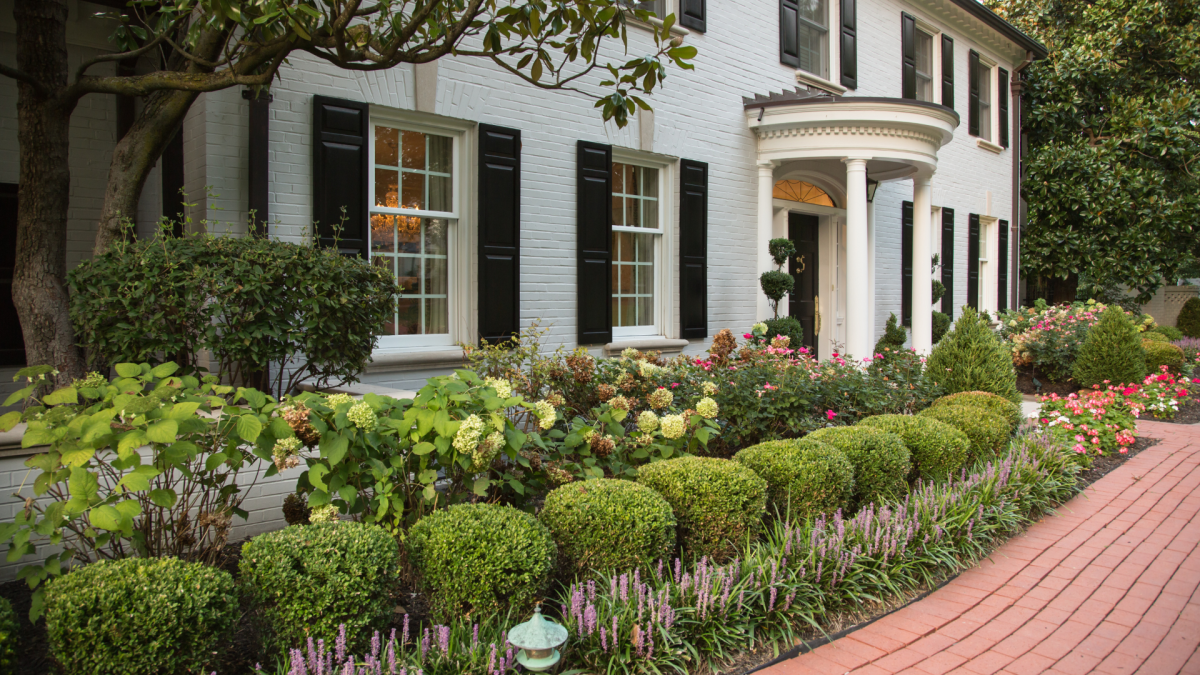
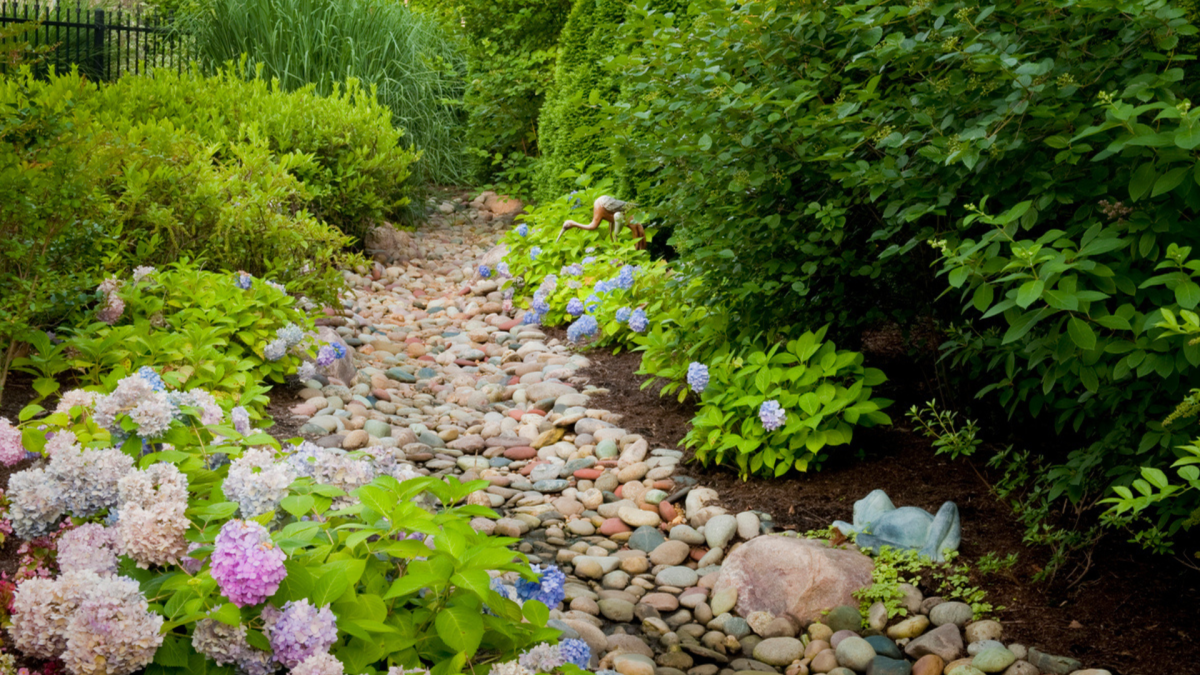
Plantings and softscapes form the core of the structured naturalism approach. Selecting the right combination of native perennials, ornamental grasses, and groundcovers requires detailed familiarity with how specific plant species perform within St. Louis microclimates. Layered planting designs that account for sun exposure, drainage patterns, and multi-season visual interest take considerably more planning than a standard annual bed refresh.
Patios and walkways, fire pits, outdoor fireplaces, water features, and outdoor lighting all factor into the outdoor living room concept. Creating spaces that feel intentionally designed rather than assembled over time requires thinking about how each element relates to the others and to the existing architecture and scale of the home.
Spring cleanups, mulching and stone beds, irrigation maintenance and repairs, and French drain installation address the sustainability side of the discussion. Proper drainage integration, irrigation efficiency, and consistently maintained planting beds all contribute directly to the long-term health and visual quality of a residential landscape.
A Planning Process That Prioritizes Clarity Before Construction
What separates a well-executed landscape from one that simply photographs well is the quality of planning that happens before installation begins. At Landscape St. Louis, each project starts with detailed designs and renderings so the homeowner has a clear, accurate picture of the finished space before materials are selected or any ground is broken.
This process allows decisions about plant selection, hardscape materials, lighting placement, and drainage solutions to be made together as part of a unified plan, rather than addressed individually as a project progresses. It gives homeowners a meaningful opportunity to weigh options and make adjustments early, when changes are straightforward and the project is still flexible.
The outcome is a more predictable result and a finished landscape that holds together visually and functionally as a complete design. Additional information about the firm’s residential project process is available at landscapestlouis.com.
Seasonal Timing and Site Conditions in the St. Louis Area
Spring in the St. Louis area creates a relatively defined window for certain categories of landscape work. New plantings benefit from being established early enough to develop strong root systems before summer heat arrives. Hardscape and design projects scheduled in spring can typically reach completion before the property is most actively used for outdoor entertaining and gathering.
For homeowners considering softscape upgrades, new plantings, or a broader landscape project, early planning allows for a more thorough site evaluation. That includes reviewing drainage conditions and irrigation coverage before the growing season is fully underway. The plantings and softscapes services offered by Landscape St. Louis are structured with these seasonal and site-specific considerations built into the planning process.
A Consistent Presence Across St. Louis Residential Communities
Landscape St. Louis has worked with homeowners across the broader St. Louis area for many years, developing a portfolio that spans established neighborhoods in Ladue, Frontenac, and Town & Country as well as properties throughout the surrounding region. The firm’s completed residential projects reflect a consistent focus on design integrity and long-term property care rather than volume-driven service delivery.
Homeowners researching qualified local landscape professionals can find further context about the firm’s work through this St. Louis landscape design portfolio. The firm’s ongoing service model reflects a long-term approach to residential landscape management built around sustained relationships with the homeowners they serve.
Landscape St. Louis Offers a Reliable Local Reference for Spring Planning
As homeowners across the St. Louis area evaluate their outdoor spaces and consider where to direct attention this spring, having access to practical, locally relevant design information supports clearer decision making. The three trends covered in the firm’s recent resource offer a grounded framework for understanding which design directions are worth pursuing and how they connect to the specific conditions of a St. Louis residential property.
Landscape St. Louis welcomes inquiries from homeowners interested in discussing their property’s potential. The firm can be reached at 314-876-8064 or through the contact page at landscapestlouis.com.

Contact Information:
Landscape St. Louis
2601 McCausland Ave
St. Louis, MO 63143
United States
Contact Landscape St. Louis
(314) 876-8064
https://landscapestlouis.com/


Original Source: https://landscapestlouis.com/media-room/#/media-room