What Tampa Bay Area Residents Should Consider Before Choosing a Screen Room Design
Largo, United States – March 18, 2026 / Pyramid Aluminum /
Spring in the Tampa Bay region brings longer days, warmer temperatures, and a familiar challenge for residents across Pinellas County: how to enjoy outdoor spaces comfortably without the interference of insects, afternoon rain, or intense UV exposure. For many homeowners, a screen room represents the most practical answer, but selecting the right one requires more than choosing a style. Pyramid Aluminum has published a detailed resource addressing the key decisions involved in choosing the right screen room for a Florida home, giving residents a structured way to evaluate their options before committing to a project.
Why the Range of Available Options Creates Confusion Before It Creates Clarity
Many homeowners begin researching screen rooms with a general sense of what they want, an enclosed outdoor space that keeps pests out, extends usable square footage, and withstands Florida’s climate. What they often discover is that the range of available configurations raises more questions than it answers. Size, placement, screen material, framing type, and structural design all affect the long-term performance of the installation in ways that are not obvious until the planning phase is underway.
In coastal communities like Belleair Beach, Indian Rocks Beach, and Treasure Island, those variables compound. Salt air accelerates material degradation in ways that inland homeowners don’t face, meaning framing products that perform reliably in central Florida may show corrosion significantly faster near the Gulf. Screen type selection introduces another layer of complexity. Homeowners with pets face different material considerations than those prioritizing UV reduction or fine-mesh insect protection. A family using the space for regular gatherings has different layout priorities than someone building a quiet personal retreat.
Without a clear framework for evaluating these factors, many homeowners either delay the project or move forward with a configuration that doesn’t serve their actual needs. Understanding the full range of screen room options, and the practical trade-offs between them, is the first step toward a result that functions well over the long term and aligns with how the household uses outdoor space day to day.
How Approved Services Connect to the Screen Room Decision
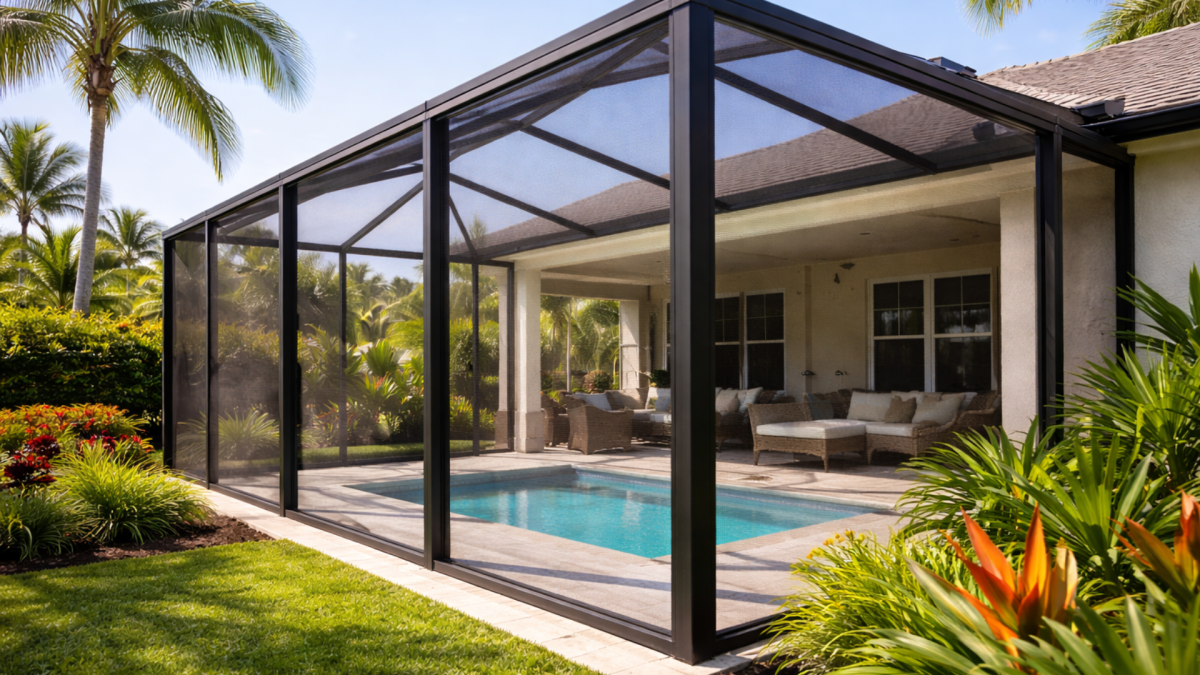
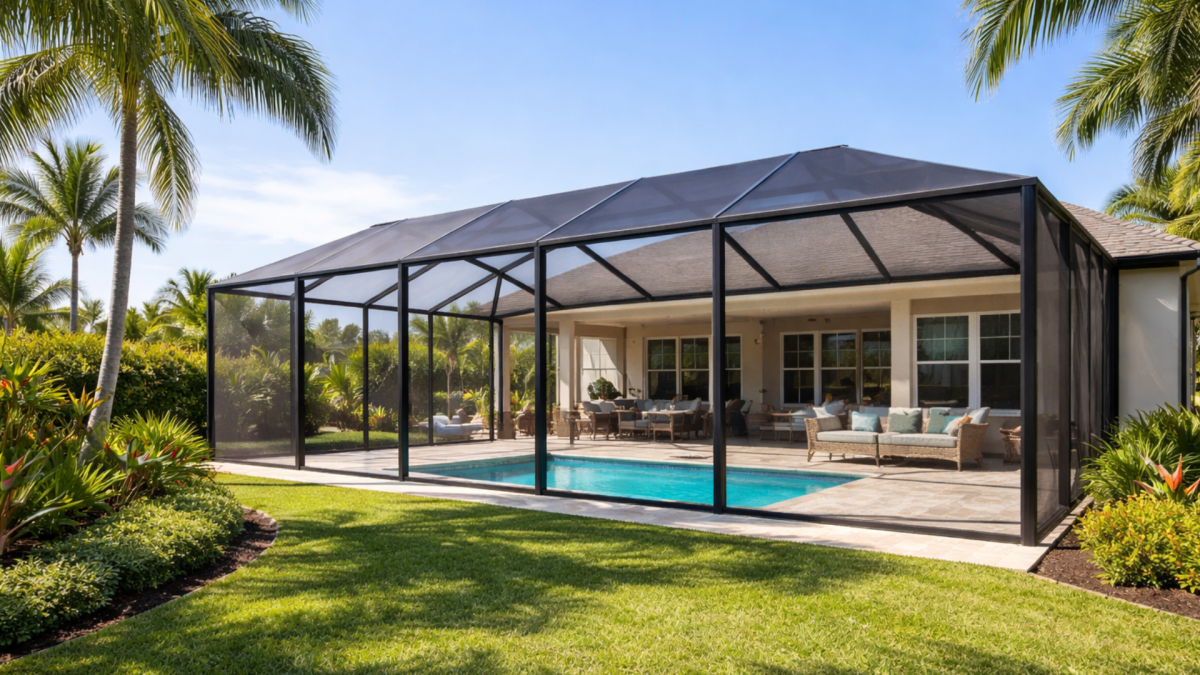
Screen rooms are the primary focus of this topic, and Pyramid Aluminum’s residential installations are designed to account for the specific conditions found throughout the Tampa Bay area. Projects range from smaller attached patio enclosures to larger structures built around poolside access, with each design grounded in how the space will actually be used rather than a one-size-fits-all approach.
Pool enclosures are a closely related consideration. Homeowners exploring screen rooms often discover that a pool enclosure may better serve their goals, particularly when the primary objective involves protecting a swimming area and the surrounding deck. Structural and drainage requirements differ meaningfully between the two options, and the right choice depends on the site layout and intended use.
Canopies address outdoor areas where weather protection and shade are the priority but a fully screened structure is not required. For spaces where ventilation takes precedence over pest containment, a canopy installation provides meaningful coverage at a different investment and design level.
Railings frequently enter the same project conversation when a screen room is being added to a property with elevated decking, stairs, or a tiered outdoor layout. Structural compatibility between railing systems and enclosure framing is a practical consideration that benefits from early coordination during the planning phase.
Gutters and drains become directly relevant once any covered outdoor structure is installed. Managing water runoff from screen room rooflines protects the surrounding landscape and supports the long-term integrity of the structure itself, making drainage planning a standard component of the project process.
A Detail-Oriented Process Shapes the Outcome Before Installation Begins
Pyramid Aluminum approaches screen room projects with a level of planning specificity that influences the final result well before any materials are ordered or installed. The process begins with an honest assessment of how the homeowner uses their outdoor space, what physical constraints the property presents, and which features will provide the most functional return given those conditions. Recommendations follow from that conversation rather than from a predetermined configuration.
This approach carries particular relevance in a market where homeowners are often comparing multiple bids while navigating technical decisions with limited prior context. The difference between a screen room that performs reliably for many years and one that requires early repairs or misses expectations frequently comes down to how specifically the planning phase addressed the homeowner’s actual situation. Residents throughout the region can learn more about this process through Pyramid Aluminum’s residential services and project approach.
Coastal Conditions Make Local Knowledge a Practical Advantage
Pinellas County’s combination of Gulf-facing exposure, sustained humidity, and frequent rain events creates conditions that affect nearly every aspect of screen room selection. Homeowners in Dunedin, Seminole, and Pinellas Park face different environmental considerations than those in inland areas, even within the same county. Proximity to the water affects how quickly salt deposits accumulate on structural components, making material quality and finish durability a more pressing concern than it might appear during a general product comparison. Residents considering a screen room project can review available screen room installation options to better understand how those local factors are addressed at the planning and material selection stage.
Community Presence Built Through Consistent Project Delivery
Pyramid Aluminum’s presence throughout Pinellas County reflects an approach to residential projects where communication and attention to detail carry as much weight as the finished installation. Homeowners working through the process describe a workflow built around listening to their goals, planning for site-specific conditions, and delivering results that match the original conversation. That consistency has shaped a recognizable local presence, reflected in the company’s completed work and client feedback accumulated across the communities it serves. Clear communication at every stage, from first consultation through project completion, defines how customers experience the process and how the business maintains its standing in the region.
Screen Room Planning Requires the Right Information at the Right Time
Selecting the right screen room involves more variables than most homeowners anticipate when they begin researching the topic. Frame material, screen type, placement, sizing, and compatibility with existing outdoor features all contribute to how well the finished space performs over time and how much value it adds to the property. For residents throughout Largo, Clearwater, St. Petersburg, Treasure Island, Belleair Beach, Indian Rocks Beach, Dunedin, Seminole, and Pinellas Park, Pyramid Aluminum offers a grounded, detail-focused approach to navigating those decisions. Homeowners interested in discussing their project can reach the team directly at 727-591-6418 or through the company website to schedule a consultation at no obligation.

Contact Information:
Pyramid Aluminum
530 Commerce Dr. S.
Largo, FL 33770
United States
Contact Pyramid Aluminum
(727) 591-6418
https://pyramidaluminum.com/


Original Source: https://pyramidaluminum.com/media-room/#/media-room