The only comprehensively evidence-based education platform in fitness, performance, and physical medicine; unprecedented levels of accuracy and effectiveness.
NEW YORK, NY, UNITED STATES, July 20, 2026 /EINPresswire.com/ — Snippet from the Course: Power Training: Evidence-based Model
Related Course: Acute Variables: Complex Training
Related Article: Circuit Training for Hypertrophy, Strength, and Power?
ABSTRACT
Title: Power Training: An Evidence-Based Model for Optimizing Strength, Velocity, and Athletic Performance
Background: Power training is intended to improve the ability to produce force rapidly, with outcomes commonly measured by rate of force development, bar velocity, peak power, jump height, sprint performance, change of direction, and sport-specific performance. Although many power-training methods are commonly recommended, including plyometrics, Olympic-lift variations, ballistic exercises, complex training, and post-activation potentiation protocols, existing models often rely on expert opinion, traditional coaching practices, or isolated mechanisms rather than comprehensive comparisons of modifiable acute variables.
Objective: To summarize evidence on acute variables that influence power development and to present a practical, outcome-driven model for optimizing power-training programs.
Methods: This evidence-based course synthesized findings from peer-reviewed research on strength training, high-velocity and ballistic exercise, plyometric training, complex training, post-activation potentiation, repetition tempo, repetition range, load, rest intervals, set strategies, repetitions-to-failure, training frequency, periodization, exercise order, range of motion, and exercise selection. Outcomes included strength, rate of force development, bar velocity, peak power, jump performance, sprint performance, agility, and sport-specific performance.
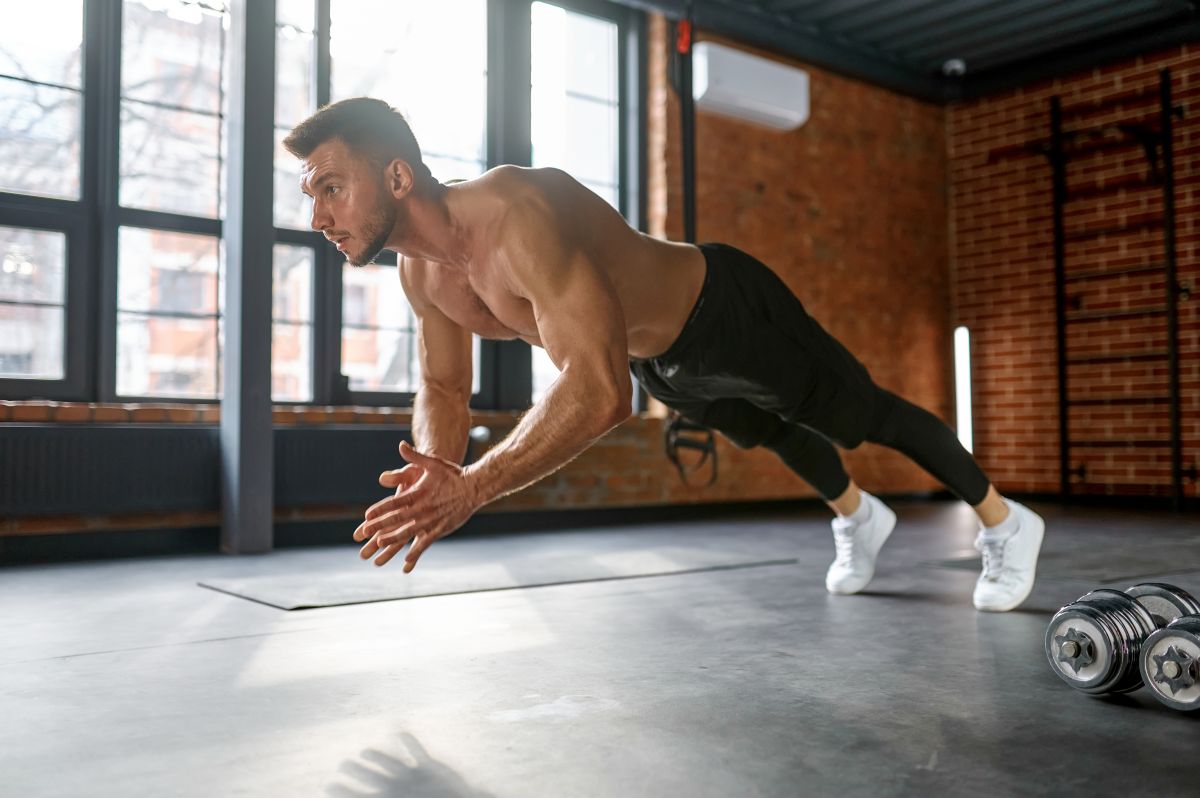
Results: Power outcomes may improve with several resistance-training strategies; however, research trends suggest superior results when programs combine heavy or moderate-load strength training with high-velocity power exercises. Experienced athletes likely benefit from prioritizing ballistic and high-velocity exercises, while novice lifters may benefit from moderate-load strength training with the gradual introduction of power exercises. Power training should emphasize maximal concentric intent, explosive repetitions, projection of the body or load, quick eccentric loading, minimal amortization time, and sufficient rest to preserve velocity and power output. Programs should generally avoid frequent sets-to-failure, high-repetition low-load sets to failure, multiple drop sets, insufficient rest, excessive volume, and slow tempos when the goal is acute power performance or competition readiness. Complex training may be useful for intermediate and advanced athletes when strength and power exercises are organized with adequate recovery, preferably using circuit-based structures that allow approximately 4 to 10 minutes between similar-muscle strength and power exercises.
Conclusions: Power training is best approached as an integrated model rather than a single method or exercise category. Optimal programming should combine strength and power training, prioritize high-velocity exercise, preserve repetition quality, manage fatigue, and adjust acute variables based on the athlete’s experience, sport demands, recovery status, and competitive schedule. Small improvements in each acute variable may accumulate to produce more reliable long-term improvements in power and athletic performance.
SEE THE FULL COURSE AND SYSTEMATIC REVIEW BY FOLLOWING THE LINK
Brent Brookbush
Brookbush Institute
Support@BrookbushInstitute.com
Visit us on social media:
LinkedIn
Instagram
Facebook
YouTube
TikTok
X
Other
Legal Disclaimer:
EIN Presswire provides this news content “as is” without warranty of any kind. We do not accept any responsibility or liability
for the accuracy, content, images, videos, licenses, completeness, legality, or reliability of the information contained in this
article. If you have any complaints or copyright issues related to this article, kindly contact the author above.

Media gallery