
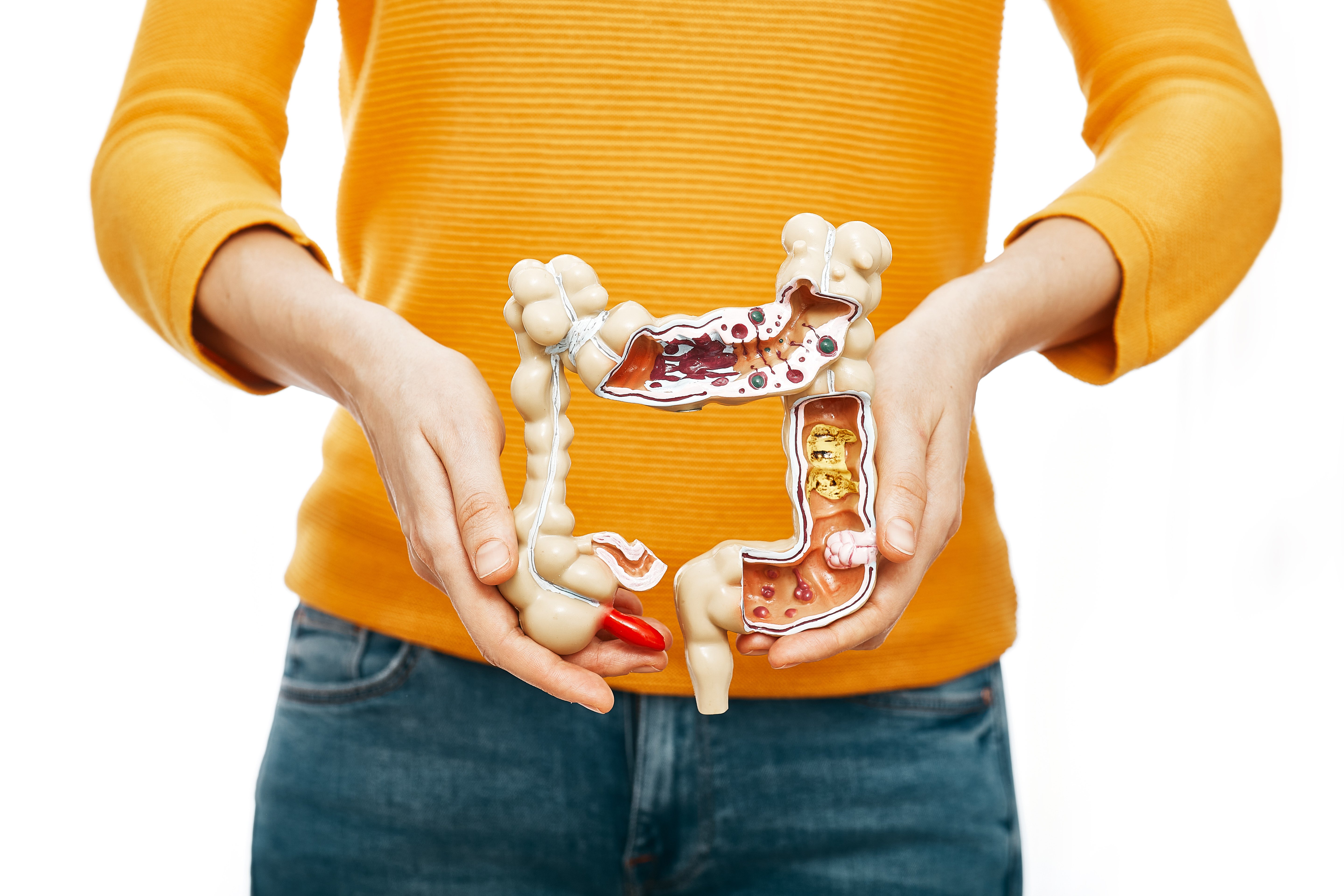
Key Takeaways
- Natural SIBO treatment timelines vary significantly from person to person – there is no universal answer, and recurrence is a real factor that shapes how long management takes.
- Effective natural treatment goes beyond killing bacteria; it also addresses gut motility, diet, and the underlying causes that allow SIBO to return.
- Herbal antimicrobials and low-fermentation dietary strategies are commonly used tools, but they work best as part of a broader, individualized plan.
- Working with a naturopath can help identify the root causes driving recurrence, which is often what separates short-term symptom relief from long-term results.
If there is one thing people with SIBO quickly discover, it is that getting better is rarely a straight line. Bloating, abdominal discomfort, and digestive irregularity can ease up – only to return weeks or months later. Understanding why that happens, and what natural SIBO treatment actually involves, is the first step toward a more realistic and sustainable plan.
SIBO Recurrence Makes the Timeline Complicated
SIBO, or small intestinal bacterial overgrowth, is a condition where bacteria accumulate in the small intestine at higher-than-normal levels, disrupting digestion and causing a range of uncomfortable symptoms. Treating it sounds straightforward in theory – reduce the bacterial load, feel better. In practice, the timeline is far messier.
A 2026 systematic review found that SIBO can return after treatment, with roughly 40% to 50% of patients experiencing recurrence within the first year in some studies. That statistic alone reframes what treating SIBO really means. For many people, it is not a single course of treatment followed by full resolution – it is an ongoing process of management, monitoring, and adjustment.
This is exactly why duration is such a loaded question. A first round of herbal treatment might run four to eight weeks. But if symptoms return—or if underlying factors were never addressed—the process starts again. Realistic expectations are essential from the start.
Natural Treatment Goes Beyond One Round
Natural SIBO treatment is often discussed as though it mirrors antibiotic therapy – take an herbal protocol, wait a few weeks, retest, done. That framing misses much of what makes natural approaches both more nuanced and potentially more durable.
Beyond Killing Bacteria
The antimicrobial phase of treatment – whether herbal or pharmaceutical – is designed to reduce bacterial overgrowth in the small intestine. This is a necessary step, but only one piece of the puzzle. After the antimicrobial phase, the focus typically shifts to rebuilding a healthier gut environment. This can include:
- Supporting the intestinal lining
- Reintroducing beneficial bacteria strategically
- Improving digestive enzyme activity
- Restoring regular bowel rhythm
Cutting treatment short because symptoms have improved is one of the most common reasons SIBO comes back.
Addressing What Causes Recurrence
Recurrence is not random. It tends to happen when the conditions that allowed SIBO to develop in the first place are still present. Slow gut motility, structural issues, low stomach acid, immune dysfunction, or underlying conditions like hypothyroidism or connective tissue disorders can all create an environment where bacteria keep re-establishing themselves in the small intestine.
Natural treatment, when done thoroughly, involves identifying and addressing these factors – not just running repeated antimicrobial protocols. That is what separates a short-term fix from a genuine shift in gut health.
Herbal Remedies Used for SIBO
Herbal antimicrobials have been studied as an alternative to rifaximin and other antibiotics commonly used in SIBO treatment. The research is still growing, but several plant-based compounds have shown meaningful activity against the types of bacteria associated with SIBO.
Common Antimicrobial Herbs
Practitioners working in this space frequently draw from a core group of well-studied botanicals:
- Oregano oil – contains carvacrol and thymol, compounds with broad antimicrobial properties
- Berberine – derived from plants like goldenseal and barberry; studied for its effects on gut bacteria and motility
- Allicin – the active compound in garlic; particularly relevant for hydrogen-dominant and methane-dominant SIBO patterns
- Neem – traditionally used in Ayurvedic medicine and gaining attention for its antimicrobial and anti-inflammatory properties
Herbal protocols are rarely one-herb-fits-all. Combinations are typically chosen based on the type of SIBO (hydrogen, methane, or hydrogen sulphide), symptom severity, and how the patient’s digestive system is functioning overall.
Supporting Gut Motility Naturally
One of the most overlooked aspects of SIBO treatment is gut motility – specifically, the migrating motor complex (MMC), which is the wave-like muscle activity that sweeps the small intestine clean between meals. When the MMC is sluggish, bacteria are more likely to accumulate.
Several natural agents are used to support motility during and after treatment:
- Ginger – a well-known prokinetic that stimulates the MMC
- Probiotics — certain strains may support healthy gut function and motility
- 5-HTP – a precursor to serotonin, which plays a major role in gut motility signalling
Prokinetic support is often continued well beyond the antimicrobial phase to reduce the chance of recurrence.
Dietary Strategies That Support Recovery
Diet does not cure SIBO on its own, but it plays a meaningful supporting role – both during active treatment and in the longer-term management phase.
Low-Fermentation Eating Approaches
The goal of dietary changes in SIBO is not permanent restriction. The aim is to temporarily reduce the fermentable fuel available to bacteria in the small intestine, which can ease symptoms while treatment works. Common approaches include:
- The Low-FODMAP diet – reduces fermentable carbohydrates that feed bacteria; widely studied and often used as a first-line dietary tool
- The Specific Carbohydrate Diet (SCD) – eliminates complex carbohydrates and focuses on easily absorbed foods
- The SIBO-Specific Food Guide – this combines elements of Low-FODMAP and SCD into a framework specifically designed for SIBO
- Elemental diet – a liquid-only approach using pre-digested nutrients; used in more severe or persistent cases as a way to starve bacteria while still nourishing the body
When Diet Alone Is Not Enough
Dietary changes provide symptomatic relief for many people, but they do not address the bacterial overgrowth itself. Someone following a strict Low-FODMAP diet may feel significantly better – while still testing positive for SIBO. Diet manages the environment; antimicrobial treatment addresses the overgrowth directly. Both have a role, and neither should be mistaken for the other.
Why One-Size-Fits-All Doesn’t Work
SIBO presents differently in different people. The type of gas produced (hydrogen vs. methane vs. hydrogen sulphide), the severity of overgrowth, the location within the small intestine, and the presence of co-existing conditions all influence what treatment looks like – and how long it takes.
Persistent Symptoms and Underlying Factors
When symptoms persist despite treatment, there is usually an underlying factor that has not yet been identified or addressed. Some of the most common ones include:
- Hypochlorhydria (low stomach acid) – reduces the body’s first line of defence against bacterial overgrowth in the upper GI tract
- Ileocecal valve dysfunction – can allow colonic bacteria to migrate upward into the small intestine
- Hypothyroidism – slows gut motility and creates conditions favourable to bacterial accumulation
- Visceral adhesions or structural changes – often the result of prior surgery or endometriosis, affecting gut transit
- Mast cell activation or immune dysregulation – can drive chronic inflammation that perpetuates gut dysfunction
Identifying these factors requires a thorough clinical picture – not just a breath test result. This is where individualized assessment becomes essential, and where a generic protocol is likely to fall short.
Work With a Naturopath for Long-Term SIBO Relief
Managing SIBO naturally is a layered process. It involves understanding the type of SIBO, choosing targeted herbal and dietary strategies, supporting motility and gut repair, and – critically – identifying whatever underlying dysfunction keeps the condition coming back.
That process takes time. For some people, meaningful improvement comes within two to three months. For others, especially those with chronic or recurrent SIBO tied to underlying conditions, management is measured in seasons, not weeks. Honest timelines matter, and so does having a practitioner who can adapt the plan as the picture becomes clearer.
Individualized naturopathic care is well-suited to this kind of long-view approach, combining evidence-informed herbal medicine with functional testing, dietary guidance, and root-cause investigation to build a treatment plan that holds up over time.
*Disclaimer: The information in this article is for educational purposes only and is not a substitute for professional medical advice, diagnosis, or treatment. Always consult a qualified healthcare provider with any questions about your health.
Healthflow Naturopathic
+1 403 313 4354
2204 2 Street SW
120M
Calgary
Alberta
T2S 3C2
Canada


