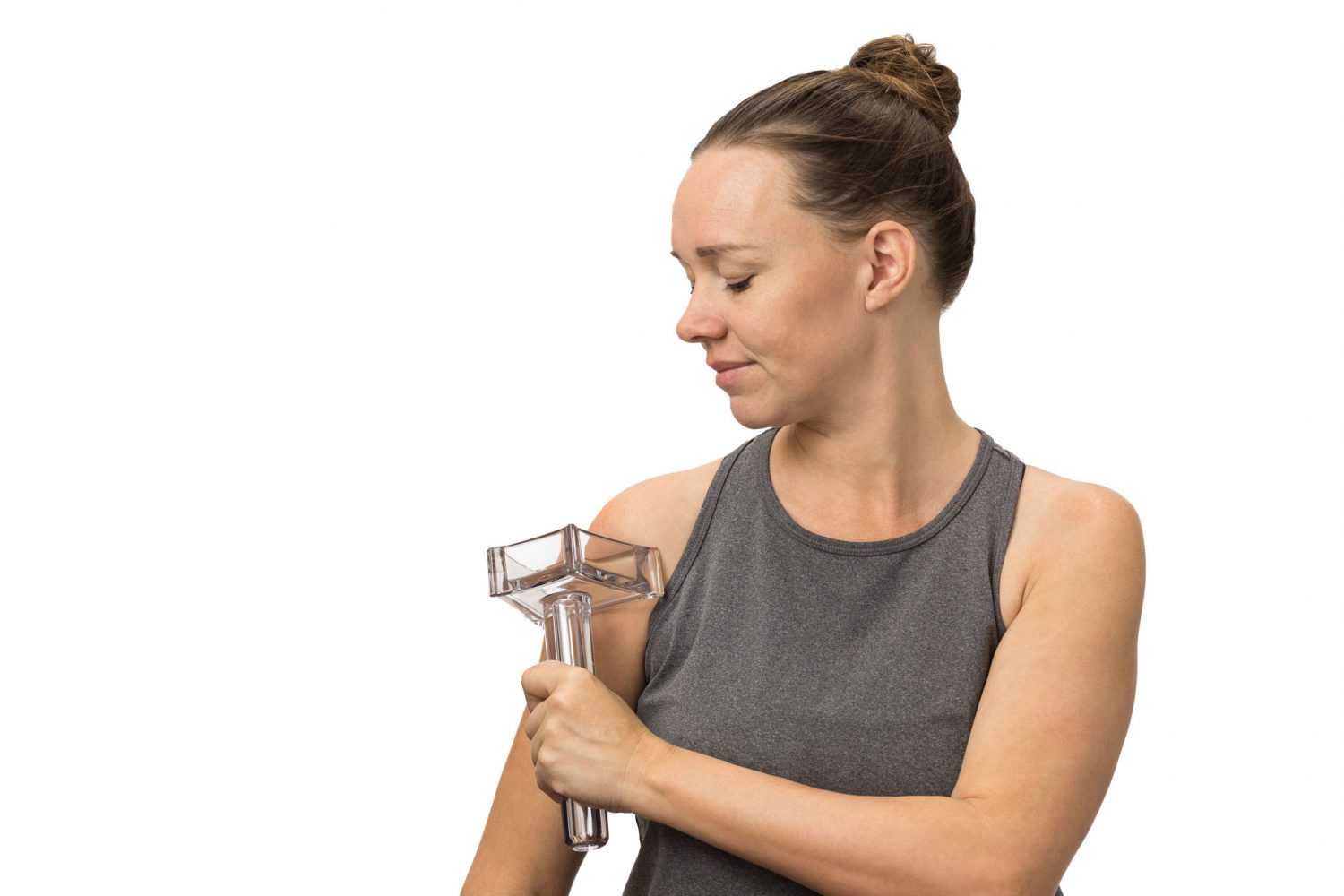
Guided, step-by-step home treatment for chronic pain, scar tissue, and soft tissue restrictions.
CLERMONT, FL, UNITED STATES, September 22, 2026 /EINPresswire.com/ — ASTR Institute, founded by Dr. Joseph Jacobs, DPT, ACN, has published a patient-education overview describing how guided home treatment options may help patients address chronic pain, scar tissue, fascial restrictions, trigger points, stiffness, and mobility problems from home. The overview also outlines when in-clinic evaluation may be more appropriate, and why structured guidance matters when patients treat pain on their own.
Many people try to manage chronic pain independently with stretching, massage tools, heat, rest, exercise, medication, or online videos. While these strategies may help some people, ASTR Institute’s overview emphasizes that chronic pain often requires more than unstructured self-care — and that home treatment tends to be most useful when patients have clear instructions, appropriate tools, and a defined plan.
Chronic pain affects millions of adults in the United States. The Centers for Disease Control and Prevention reported that in 2021, an estimated 51.6 million U.S. adults experienced chronic pain, and 17.1 million experienced high-impact chronic pain that substantially restricted daily activities. These figures help explain why many patients search for accessible, practical, noninvasive options they can use outside the clinic.
– Why Chronic Pain Care at Home May Need Guidance
Home treatment can be helpful when patients follow clear instructions and a structured plan. It tends to be less effective when patients guess, use too much pressure, treat the wrong area, or repeat movements that irritate already-sensitive tissue.
ASTR Institute’s educational position is that chronic pain is often multifactorial — meaning several factors may contribute at the same time. A patient may have scar tissue, fascial restrictions, trigger points, inflammation, posture-related strain, repetitive strain, stress-related muscle tension, and movement compensation patterns all feeding into the same pain cycle.
For example, a person with neck pain may focus only on the painful area while overlooking restrictions in the shoulders, chest, upper back, jaw, posture, or daily computer habits. Someone with knee pain may treat only the knee while missing the hip, ankle, foot, fascia, gait, or scar-tissue restrictions. A person with back pain may stretch repeatedly yet continue to sit, sleep, walk, or lift in ways that keep the tissues irritated.
This is why the overview emphasizes guided care. A home program can help patients understand which tissues may be involved, how to use tools safely, how to avoid excessive pressure, and how to support the body with posture, ergonomics, movement, and daily habits.
“Many chronic pain patients want to do something at home, but they do not know where to start,” said Dr. Joseph Jacobs, DPT, ACN, founder of ASTR Institute. “They may stretch, use a massage tool, or watch a random video, but if they do not understand the root cause of the pain, they may miss the tissues and habits that are keeping the problem active.”
– A Root-Cause View of At-Home Chronic Pain Treatment
ASTR stands for Advanced Soft Tissue Release. In ASTR’s educational framework, the model focuses on identifying what it describes as potential root contributors to pain, including scar tissue, fascial restrictions, trigger points, inflammation, posture, ergonomics, nutrition, stress, behavior patterns, and movement dysfunction. Within this framework, home treatment may address several of these contributors at once.
Scar tissue may develop after injury, surgery, inflammation, repetitive strain, or trauma. When scar tissue becomes restricted, it may limit normal tissue mobility and contribute to stiffness, pain, or movement dysfunction.
Fascial restrictions may create abnormal pulling patterns. Fascia is the connective tissue surrounding muscles, nerves, blood vessels, organs, and other structures. When fascia becomes restricted, pain may appear in one area even though the larger tissue pattern involves another.
Trigger points may refer pain to nearby or distant regions. A patient may feel pain in the head, shoulder, back, hip, knee, foot, or jaw while some contributing restrictions are located elsewhere.
Inflammation may increase tissue sensitivity, and factors such as nutrition, sleep, stress, and chronic health conditions may all influence inflammatory load. Postural and ergonomic stress — prolonged sitting, computer and phone use, poor sleeping positions, repetitive work demands, and altered walking patterns — may keep tissues irritated over time.
Stress and nervous-system dysregulation may increase muscle guarding, clenching, pain sensitivity, fatigue, and fear of movement. The overview is explicit that this does not mean the pain is imaginary; it means chronic pain is often influenced by the body’s protective systems.
“Pain is real,” Dr. Jacobs said. “When we talk about stress, posture, or behavior, we are not minimizing the pain. We are recognizing that the body is connected. Effective home treatment should address more than symptoms.”
– Why Home Treatment Results Can Vary
Many patients try to treat chronic pain at home before seeking professional help, using foam rollers, massage guns, stretching routines, heat, ice, topical creams, exercise videos, or over-the-counter pain relievers. These methods may provide relief for some people, though results can vary, and they may not always address contributors beyond the immediate area of discomfort.
One reason is that the location of pain is not always the same as its root cause. A person may feel pain in the shoulder while contributing restrictions involve the neck, chest, upper back, scar tissue, posture, or breathing patterns. Someone may feel foot pain while the larger pattern involves the calf, ankle, gait, fascia, or a prior injury. A person may feel jaw pain while the broader pattern involves the neck, head posture, clenching, stress, and facial restrictions.
Another factor is intensity. Some patients press too hard on sensitive tissues, assuming more pressure means better results. In practice, excessive pressure may increase irritation, bruising, guarding, or pain sensitivity. Clear instruction can help patients understand how to work with the body rather than force the tissue.
– Conditions Patients Commonly Seek Home Treatment For
Patients often look for home treatment options when pain affects daily life but travel or in-clinic care is difficult. ASTR Institute’s home treatment resources may be relevant for patients seeking support for chronic back pain, neck pain, shoulder pain, knee pain, foot pain, plantar fasciitis, jaw pain, headaches, scar-tissue pain, myofascial pain, stiffness, limited mobility, and chronic soft-tissue restrictions.
Some patients may use home treatment as their primary option; others may use it after in-clinic care to maintain progress. Some may begin with a telehealth evaluation or case review to better understand whether home treatment, the Four Day Intensive Program, or another pathway is more appropriate.
The overview is clear that home treatment is not the right choice for every situation. Patients with severe, worsening, unexplained, traumatic, neurological, infectious, or medically complex symptoms should seek appropriate professional evaluation. Home treatment should not replace urgent care, emergency care, medical diagnosis, or needed dental or medical treatment.
– ASTR Tools and Step-by-Step Online Programs
ASTR Institute’s home treatment model includes patented instruments developed by Dr. Jacobs, designed to help patients work on soft-tissue restrictions, scar tissue, fascial tightness, and myofascial pain patterns using guided protocols. The emphasis is on pairing tools with instruction: a tool used without guidance may leave a patient unsure where to treat, how long to treat, how much pressure to use, and when to stop, whereas a structured program provides a more organized process.
According to the institute’s materials, its home treatment resources include nine online programs covering the full body, each roughly 1.5 hours in length and designed to mirror the process a patient would follow in clinic with Dr. Jacobs. For some maneuvers, a patient may need someone to assist. The institute also notes that most individual treatments take only 5 to 10 minutes, which may help patients build a manageable, consistent routine while still receiving specific instruction.
– Home Treatment and the Four Day Intensive Program
ASTR Institute offers both home treatment options and an in-clinic Four Day Intensive Program for complex chronic pain. These are described as complementary pathways serving different needs rather than competing options.
Home treatment may suit patients who want guided self-care, cannot travel, need ongoing support, or have symptoms that may be appropriate for supported self-treatment. The Four Day Intensive may be more appropriate for complex cases, patients who have not improved with standard treatment, or those who need focused hands-on care over four consecutive days, during which care is organized to identify and address contributors such as scar tissue, fascial restrictions, trigger points, inflammation, posture, ergonomics, behavior patterns, and movement dysfunction.
ASTR Institute encourages patients to request a case review so its team can better understand their condition, symptoms, history, previous treatments, and goals before recommending a next step.
## Provider Training and Patient Education
ASTR Institute also offers provider training for healthcare professionals who want to learn the ASTR treatment model. Provider education covers the ASTR model, patented tools, scar-tissue and fascial-restriction release, myofascial pain, treatment protocols, and root-cause thinking.
Dr. Jacobs regards provider education as important because many chronic pain patients receive fragmented care — one provider for medication, another for imaging, others for exercises, injections, or surgery — while no single clinician evaluates the full pain pattern. He has also authored multiple health books addressing chronic pain, inflammation, nutrition, migraines, back pain, anxiety, depression, diabetes, high blood pressure, and natural healing. ASTR Institute provides treatment videos, success stories, product education, home treatment options, provider-training resources, and books through its website.
– About ASTR Institute
ASTR Institute is a chronic pain and natural healing institute founded by Dr. Joseph Jacobs, DPT, ACN — a Doctor of Physical Therapy, Advanced Clinical Nutritionist, inventor of patented medical devices, author, functional medicine practitioner, educator, and cancer survivor. After experiencing chronic migraines, fatigue, and pain, Dr. Jacobs developed the ASTR treatment model to address pain at its source using a biopsychosocial approach.
ASTR stands for Advanced Soft Tissue Release. ASTR describes its model as focusing on identifying and addressing root contributors to pain, including scar tissue, fascial restrictions, trigger points, inflammation, posture, ergonomics, nutrition, stress, behavior patterns, and movement dysfunction. ASTR Institute offers the Four Day Intensive Program, home treatment programs, patented treatment tools, provider training, books, supplements, lab panels, and educational resources for patients and healthcare providers.
Further information about home treatment for chronic pain, step-by-step home treatment programs, the Four Day Intensive Program, provider training, and Dr. Jacobs’ books is available at https://advancedsofttissuerelease.com/.
– References and Sources
– Centers for Disease Control and Prevention. Chronic Pain Among Adults — United States, 2019–2021. Morbidity and Mortality Weekly Report (2023): https://www.cdc.gov/mmwr/volumes/72/wr/mm7215a1.htm
– Centers for Disease Control and Prevention. Nonopioid Therapies for Pain Management (2025): https://www.cdc.gov/
– Centers for Disease Control and Prevention. CDC Clinical Practice Guideline for Prescribing Opioids for Pain — United States, 2022. Morbidity and Mortality Weekly Report (2022): https://www.cdc.gov/mmwr/volumes/71/rr/rr7103a1.htm
– ASTR Institute. Relieve Pain at Home With ASTR Institute: https://advancedsofttissuerelease.com/
– ASTR Institute. Step-by-Step Treatment Programs: https://advancedsofttissuerelease.com/
Dr. Joseph Jacobs, DPT
ASTR Institute
+1 949-236-6862
email us here
Visit us on social media:
LinkedIn
Instagram
Facebook
YouTube
TikTok
X
Relieve Pain At Home!
Legal Disclaimer:
EIN Presswire provides this news content “as is” without warranty of any kind. We do not accept any responsibility or liability
for the accuracy, content, images, videos, licenses, completeness, legality, or reliability of the information contained in this
article. If you have any complaints or copyright issues related to this article, kindly contact the author above.

Media gallery