
Key Takeaways
- Slovenia ranks among the safest countries in the world, giving families and professionals a secure, well-organized place to settle
- Daily living costs run notably lower than in Germany, with a single person in Ljubljana covering rent, food, and leisure for about EUR 1,572 a month
- All legal residents gain access to Slovenia’s universal healthcare system, covering a large share of medical costs from GP visits to hospital care
- A new digital nomad visa launching in November 2025 opens a fresh path for remote professionals meeting a minimum monthly income requirement of EUR 3,200
- Forests cover roughly 60% of the country, feeding an outdoor lifestyle that ranges from Lake Bled to Triglav National Park, with job markets and best cities to settle in covered below
Slovenia has quietly become one of the most livable countries for people ready to leave behind crowded cities and stretched budgets. This compact nation of roughly 2.13 million people already hosts more than 215,000 foreign residents, a share representing about a tenth of the total population, and that number keeps climbing as professionals and families consider what the country offers. From safety rankings to healthcare access to forest-covered landscapes, Slovenia checks boxes that matter most when choosing a new home base.
Slovenia’s Growing Appeal for Expats
Slovenia sits at a natural crossroads between the Alps, the Adriatic coast, and the Pannonian plains, giving residents easy access to mountains, sea, and rolling countryside without long drives. Most of the foreign residents living there today come from neighboring Balkan countries, but a growing wave of Western Europeans, North Americans, and remote-work professionals is choosing Slovenia for reasons that go beyond scenery. Bordering Italy, Austria, Hungary, and Croatia, the country provides a strategic home base for anyone who wants to travel across Europe on weekends while keeping daily life simple.
Real estate companies like M&N IRE say that the reasons behind this shift break down into a handful of practical advantages: safety, affordability, healthcare, green living, and job opportunities paired with new visa pathways. Each deserves a closer look, since together they make Slovenia a genuinely different kind of relocation story compared to pricier, more crowded destinations.
Reason One: Among the World’s Safest Nations
Safety often tops the list of priorities for families relocating internationally, and Slovenia delivers on that front. The country has ranked as the fourth safest nation globally, offering a secure, clean, and well-organized environment that suits both young families and working professionals. Recent global peace rankings have placed Slovenia among the safest countries in the world, a reputation that keeps strengthening rather than fading.
That sense of security shows up in everyday life, beyond what rankings alone convey. Streets in Ljubljana, Maribor, and coastal towns like Koper and Piran stay calm well into the evening, public spaces are well-maintained, and violent crime remains rare compared to much larger European cities. For parents evaluating where children can walk to school or ride bikes independently, this kind of low-stress environment carries real weight beyond any statistic.
Reason Two: A More Affordable Lifestyle
Cost of living shapes almost every relocation decision, and Slovenia holds a clear advantage over many Western European countries. Daily expenses run notably lower than in Germany, and the difference adds up fast – housing, groceries, and everyday spending all leave more room to save or simply enjoy life without the pressure common in bigger European capitals.
Ljubljana vs. Maribor Budgets
Ljubljana, the country’s capital, carries the highest price tag in the country, though it still compares favorably to most Western European capitals. A single person living comfortably in Ljubljana can expect monthly costs around EUR 1,572, covering rent, utilities, groceries, transportation, and leisure. A family of four with two children enrolled in international school should plan for roughly EUR 4,880 per month, a figure that drops significantly for families choosing the free public school system instead.
Maribor, the country’s second-largest city, provides a noticeably lighter budget. The cost of living there runs about 30% below Ljubljana, making it an appealing option for families and retirees who want a quieter pace without sacrificing access to good schools, healthcare, and services. Choosing between the two cities often comes down to career opportunities versus budget priorities, since Ljubljana’s job market remains more competitive while Maribor rewards patience with real savings.
How Slovenia Compares to Germany
For professionals weighing a move from Germany, the cost difference provides a strong incentive. Daily expenses in Slovenia run approximately 21.4% lower than in Germany, meaning the same salary, or even a modest pay cut, can still translate into a comfortable, even improved, standard of living. Housing, dining out, and everyday groceries all come in below German price points, while quality of life in areas like healthcare and public safety holds steady or improves.
This affordability gap matters most for professionals in remote or flexible roles who can relocate without changing employers. Someone earning a German salary while living in Ljubljana or along the coast often finds their money covers more ground than it did back home, without giving up access to modern infrastructure or reliable services.
Reason Three: Universal Healthcare for Residents
Access to quality medical care ranks as a top concern for anyone relocating internationally, and Slovenia’s healthcare system addresses that concern directly. The country operates a universal, nationalized healthcare system with mandatory health coverage, ensuring all legal residents gain access to both public and private medical services. This structure gives newcomers peace of mind that a medical emergency will not turn into a financial crisis on top of a health scare.
The public system covers a large share of medical costs, including general practitioner visits, specialist consultations, hospitalizations, and partial medication expenses. Funding comes through contributions from businesses and employees, spreading the cost across the working population rather than placing the full burden on any single patient. For families moving with children or older relatives, this kind of dependable coverage often matters more than any other single factor when choosing a new country to call home.
Reason Four: A Green Nation, Inside and Out
Slovenia has built its identity around environmental stewardship, and that commitment shows up in daily life, not just in tourism brochures. Forests cover roughly 60% of the country’s landmass, making it one of the most heavily forested nations in the European Union. That green backdrop shapes everything from air quality to weekend routines, giving residents constant access to nature without needing to plan elaborate trips.
Forests, Parks, and Outdoor Living
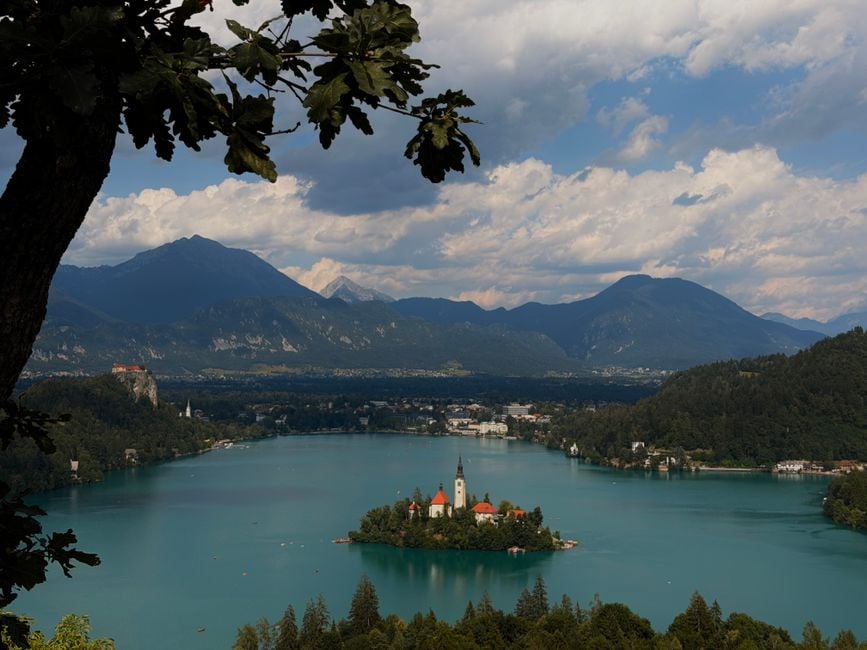
Triglav National Park anchors the country’s outdoor identity, offering glacier-carved lakes, alpine meadows, and hiking trails that range from gentle strolls to serious mountain treks. Lake Bled, with its postcard-perfect island church, draws visitors from around the world, yet residents get to treat it as a regular weekend destination rather than a once-in-a-lifetime trip. Beyond Triglav, dozens of smaller nature parks dot the countryside, with their own mix of rivers, caves, and wildlife-watching opportunities. A large share of Slovenian territory carries protected status, one of the higher shares found anywhere in Europe.
Ljubljana itself earned recognition as a European Green Capital, reflecting a citywide commitment to walkable streets, bike-friendly infrastructure, and reduced car traffic in the historic center. That kind of urban planning means residents in the capital can enjoy green living without leaving city limits, while those who prefer more space can find it just a short drive away in smaller towns and villages.
A Country Built for Active Families
Slovenia’s terrain naturally encourages an active lifestyle, and families relocating there often find it easier to keep kids engaged outdoors than in more urbanized countries. Options for weekend and after-school activities include:
- Hiking and mountain biking trails ranging from beginner-friendly paths to challenging alpine routes
- White-water rafting and canyoning along rivers like the Soča
- Cycling paths connecting cities, towns, and countryside villages
- Cave visits at sites known for dramatic limestone formations
- Skiing and winter sports in the Julian Alps during colder months
This combination of accessible nature and family-friendly infrastructure gives parents a practical answer to screen-time concerns, since outdoor adventure sits within easy reach almost everywhere in the country.
Reason Five: Jobs, Visas, and Where to Settle
A move only works long-term when the job market and legal pathway line up, and Slovenia has been strengthening both. The country’s labor market has stayed relatively stable, with low unemployment providing steady economic footing that reassures professionals worried about job security after a big move.
Job Markets in Ljubljana, Maribor, and the Coast
Ljubljana leads the country in professional opportunity, particularly in technology, financial services, and international organizations drawn to the capital’s educated workforce and central European location. Maribor provides a more modest but stable job scene, with sectors like manufacturing, logistics, and services providing steady employment at a lower cost of living. Along the coast, in towns such as Koper, Izola, and Piran, the job market leans heavily on tourism, hospitality, and port-related activities, reflecting the Mediterranean character of the region.
Sectors actively recruiting across the country include information technology, engineering, tourism and hospitality, healthcare, and financial services, giving professionals in a range of fields a realistic shot at finding work after relocating. This diversity means a family can find real career openings alongside Slovenia’s lifestyle advantages, rather than trading one for the other.
A New Digital Nomad Visa Option
Remote workers have a fresh reason to consider Slovenia as a base. The country plans to launch a digital nomad visa in November 2025, allowing remote professionals to stay for up to 12 months provided they meet a minimum monthly income requirement of EUR 3,200. This visa option removes one of the biggest hurdles for location-independent workers who want to experience Slovenia’s safety, affordability, and natural beauty without needing a local employer.
Property buyers investigating the coastal region often ask about combining a purchase with long-term residency plans, and reviewing available listings such as this coastal property provides a useful starting point for understanding what the current market looks like in practice.
Slovenia Delivers Safety, Value, and Nature Together
Few countries manage to combine top-tier safety rankings, affordable daily living, dependable healthcare, and genuine green infrastructure the way Slovenia does. Each of these five reasons stands strong on its own, but together they create a relocation case that is hard to match elsewhere in Europe. Families gain peace of mind, professionals find real career openings, and everyone gets to enjoy an environment built for outdoor living year-round.
Anyone weighing a move should start by matching personal priorities, whether that means career opportunity in Ljubljana, budget-friendly living in Maribor, or Mediterranean charm along the coast, to the city or region that fits best. For those ready to see what’s available, browsing current coastal real estate opportunities from M&N IRE and other agencies provides a practical next step toward making Slovenia a permanent home.
M&N International Real Estate
Pristaniška ulica 6, Koper,
Coastal Region
Slovenia
6000
Slovenia


