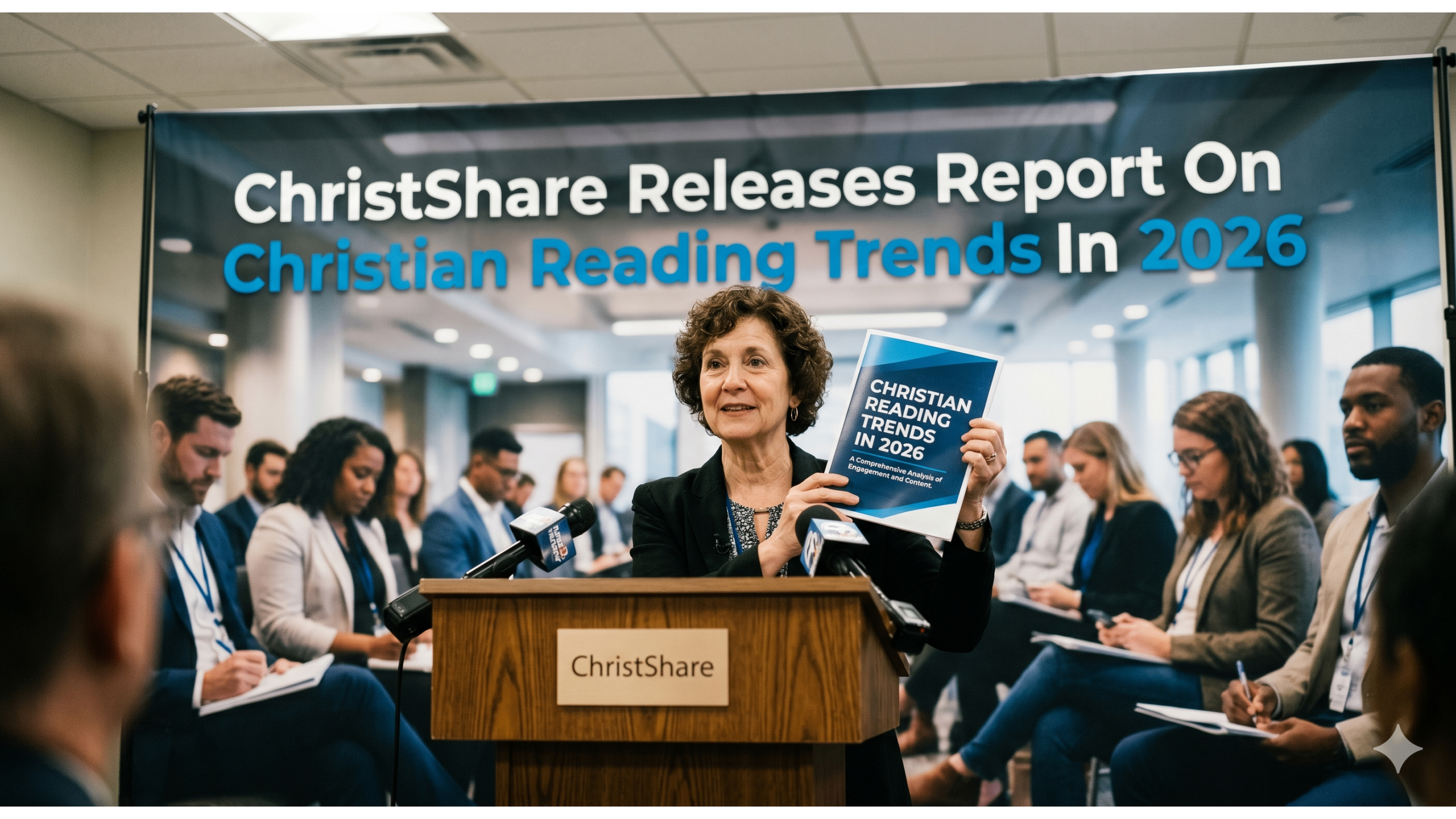
Key Takeaways:
- The religious publishing market reached $14.8 billion in 2025 and is projected to grow at 5.8% annually through 2034, driven by strong demand for devotionals and Christian fiction
- Digital content is expanding at 9.2% annually, though print books still command 52.4% of market revenue
- Christian fiction represents a significant market segment, with romantic suspense showing notable growth
- Independent Christian authors face significant discovery challenges on mainstream platforms, creating opportunities for specialized curation services
- Generation Z shows surprising engagement with Christian literature despite their digital-native status
Christian readers are driving remarkable growth in faith-based publishing, with clear preferences emerging for practical, spiritually grounding content that fits seamlessly into daily life. The landscape reveals fascinating trends that position 2026 as a pivotal year for both established publishers and independent authors seeking to connect with spiritually hungry audiences.
Religious Publishing Market Reaches $14.8 Billion in 2025
The religious publishing industry achieved a significant milestone in 2025, reaching $14.8 billion in global market value. Industry analysts project this figure will climb to $24.6 billion by 2034, representing a compound annual growth rate of 5.8%. This robust expansion reflects sustained reader appetite for content that addresses spiritual growth, practical faith application, and biblical wisdom.
Traditional print books continue dominating the market landscape, capturing 52.4% of global revenues despite digital transformation across the publishing industry. This enduring preference for physical books in religious publishing suggests readers value the tactile experience when engaging with sacred or spiritually significant content. ChristShare’s curated marketplace addresses both digital and print reader preferences within the faith-based community.
Market growth stems from readers actively seeking hope, clarity, and biblical wisdom through literature that transforms everyday experiences. Publishers report strong performance across devotionals, Bible sales, and discipleship resources, indicating sustained demand for content that bridges theological depth with practical application.
Devotional Books Drive Christian Reading Growth
1. Daily Devotionals Show Strong Market Performance
Daily devotionals have captured significant growth momentum within Christian retail, reflecting busy readers’ desire for manageable, spiritually enriching content that fits into packed schedules. “Jesus Calling” by Sarah Young exemplifies this appeal, selling over 50 million copies worldwide, while “My Utmost for His Highest” by Oswald Chambers demonstrates remarkable staying power since its mid-1920s publication.
The devotional surge aligns with readers seeking consistent spiritual nourishment without overwhelming time commitments. Publishers report particular success with titles offering five-minute formats, seasonal themes, and topical focuses addressing contemporary challenges. Titles like “The 5-Minute Bible Study Journal for Women” represent this trend toward accessible, time-conscious spiritual resources that deliver meaningful impact within constrained schedules.
2. Women Lead Bible Study Engagement Trends
Christian women drive significant engagement in Bible study resources, with research indicating strong participation in structured Bible study programs. These participants report tangible benefits including stronger relationships, enhanced parenting and marriage wisdom, and increased faith confidence. This demographic shows particular interest in study guides that blend theological depth with practical life application.
Publishers respond to this engagement by developing resources specifically addressing women’s spiritual growth needs. Success stories emphasize materials that encourage community discussion, provide historical context, and offer actionable insights for daily challenges. The trend toward women-focused Christian literature extends beyond study guides into devotionals, fiction, and personal growth categories.
Christian Fiction Claims Significant Market Share
Romantic Suspense Emerges as Notable Growth Genre
Christian fiction commands a substantial market share within religious publishing, with romantic suspense establishing itself as a notable growth subgenre. Authors in this space demonstrate sustained reader appetite for faith-integrated stories that combine emotional engagement with spiritual themes. This subgenre successfully balances entertainment value with redemptive messaging that resonates with Christian readers.
The romantic suspense boom reflects broader trends toward character-driven narratives that examine faith under pressure. Publishers report strong sales for stories featuring complex protagonists whose spiritual journeys unfold through challenging circumstances. These narratives offer readers both escapism and spiritual reflection, creating dual appeal that drives repeat readership.
Redemptive Stories Transform Faith-Based Reading
Christian fiction increasingly emphasizes redemptive, transformative storytelling that addresses real-world struggles through faith-based perspectives. Contemporary Christian fiction tackles emotional healing, relationship restoration, and spiritual growth within compelling narrative frameworks. These stories provide hope and encouragement while entertaining readers with engaging plots and relatable characters.
Publishers report growing demand for seasonal faith fiction, particularly during Christmas and Easter periods. Anthology collections perform exceptionally well, combining holiday appeal with year-round spiritual growth themes. This approach allows publishers to address seasonal marketing opportunities while maintaining relevance beyond traditional holiday periods.
Digital Content Accelerates at 9.2% Annual Growth
1. Ebooks Enhance Reader Accessibility
Digital content represents the fastest-growing segment within religious publishing, expanding at 9.2% annually through projected 2034. Ebooks provide enhanced accessibility for readers seeking immediate access to spiritual resources, particularly during times of crisis or sudden spiritual hunger. Digital formats also enable publishers to offer competitive pricing while maintaining profit margins, making faith-based content more accessible to broader audiences.
The digital surge accommodates modern reading habits without sacrificing spiritual depth. Publishers report success with digital-exclusive devotionals, Bible study guides, and spiritual growth resources that leverage multimedia enhancements. Digital platforms also enable faster distribution of timely spiritual content addressing current events or seasonal needs.
2. Generation Z Drives Christian Book Sales
Generation Z demonstrates surprising engagement with Christian literature despite their internet-native status. This demographic contributes significantly to robust Christian book sales, particularly in digital formats that align with their technology preferences. Young adult readers show interest in authentic faith narratives, practical spiritual guidance, and books addressing contemporary social issues from biblical perspectives.
Publishers targeting Generation Z emphasize relevant topics, contemporary language, and multi-format availability. Successful titles address questions about faith authenticity, social justice from Christian viewpoints, and practical spiritual disciplines for busy lifestyles. This demographic’s engagement suggests promising long-term growth potential for Christian publishing.
3. Print Books Maintain 52.4% Revenue Share
Despite digital growth, traditional print books continue commanding 52.4% of religious publishing revenues, indicating enduring reader preference for physical books during spiritual study and reflection. Print books offer advantages including easier note-taking, shared reading experiences, and the psychological benefits associated with physical book ownership. Many readers report preferring print formats for devotionals, Bible studies, and books intended for long-term reference.
Publishers maintain dual-format strategies to capture both print and digital preferences. Premium print editions featuring enhanced paper quality, attractive covers, and user-friendly layouts continue performing well, particularly for gift purchases and personal collections. The print market’s resilience suggests lasting value in physical faith-based literature.
Independent Authors Face Discovery Challenges
Amazon Dominance Creates Visibility Barriers
Independent Christian authors encounter significant discoverability challenges due to Amazon’s marketplace dominance and the platform’s overwhelming volume. Amazon controls approximately 67-68% of the ebook reading market globally, rising to 83% when including Kindle Unlimited, and over 50% of all new print book sales in the U.S., while adding approximately 350,000 new books monthly. This massive scale creates visibility barriers for new Christian authors competing against established names and algorithmic preferences favoring high-volume sellers.
The traditional Christian bookstore decline compounds discoverability problems, eliminating physical venues where independent authors could gain local exposure and hand-selling opportunities. Authors report difficulty reaching target audiences through conventional marketing channels, particularly when competing against major publisher marketing budgets and established author platforms.
Specialized Platforms Emerge as Solution
Specialized Christian platforms address discoverability challenges by offering curated environments focused specifically on faith-based content. These platforms provide targeted audiences actively seeking Christian literature, reducing competition from secular titles and improving independent author visibility. Specialized curation also enables better matching between reader preferences and available content.
Independent authors benefit from platform features designed specifically for Christian content discovery, including genre-specific categories, faith-based filtering, and community-driven recommendations. These specialized environments create opportunities for meaningful author-reader connections that broader platforms struggle to facilitate effectively.
Curated Christian Marketplaces Meet Reader Demand
Curated Christian marketplaces emerge as solutions addressing both reader discovery needs and author visibility challenges. These platforms combine extensive content libraries with faith-based filtering, enabling readers to find spiritually appropriate content without navigating mainstream platforms’ mixed messaging. Successful platforms emphasize quality curation, author spotlight features, and community-building elements that strengthen reader-author relationships.
The curated approach particularly benefits readers seeking specific content types including seasonal devotionals, biblically-based fiction, and practical spiritual growth resources. Platforms offering author spotlight features help independent writers reach audiences specifically interested in Christian perspectives, creating more effective marketing environments than general-purpose retailers. These specialized marketplaces represent growing recognition that faith-based readers value platforms understanding their unique content needs and spiritual priorities.
ChristShare provides a curated Christian marketplace designed to connect faith-seeking readers with quality spiritual content while supporting independent Christian authors through enhanced discoverability features.
Ink Marks the Spot LLC dba ChristShare
2040 Hiersche Road
Faribault
Minnesota
55021
United States